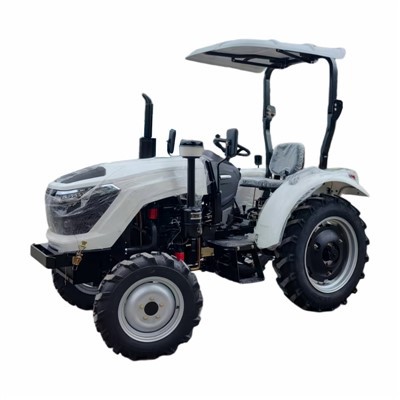
A wheel tractor is a versatile and powerful machine widely used in various industries such as agriculture, construction, and transportation. One of the critical components that ensure its smooth and efficient operation is the cooling system. As a supplier of wheel tractors, I am well – versed in the intricacies of these cooling systems and their significance. Wheel Tractor
The Importance of a Cooling System in a Wheel Tractor
The engine of a wheel tractor generates a substantial amount of heat during its operation. If this heat is not dissipated effectively, it can lead to a range of problems. High temperatures can cause the engine oil to break down, reducing its lubricating properties and increasing friction between moving parts. This, in turn, can lead to excessive wear and tear, and even engine failure in extreme cases.
Moreover, overheating can cause the engine components to expand beyond their designed tolerances. This can result in distorted pistons, warped cylinder heads, and other mechanical failures. A properly functioning cooling system is essential to maintain the engine at an optimal operating temperature, ensuring its reliability, durability, and performance.
Components of the Cooling System
Radiator
The radiator is the heart of the cooling system. It is a heat exchanger that transfers heat from the coolant to the surrounding air. The radiator consists of a series of tubes and fins. The coolant, which has absorbed heat from the engine, flows through the tubes. As air passes over the fins, heat is transferred from the coolant to the air, cooling the coolant in the process.
Modern radiators are often made of aluminum due to its excellent heat – conducting properties and lightweight. They are designed to maximize the surface area available for heat transfer, which enhances the cooling efficiency. Some radiators also feature a cross – flow design, where the coolant flows horizontally across the radiator, improving the distribution of heat and increasing the overall cooling capacity.
Water Pump
The water pump is responsible for circulating the coolant throughout the cooling system. It is typically driven by the engine’s crankshaft via a belt or a chain. The water pump creates a pressure difference that forces the coolant to flow from the radiator to the engine and back again.
A well – designed water pump ensures a consistent flow of coolant, which is crucial for maintaining an even temperature throughout the engine. If the water pump fails, the coolant circulation will be disrupted, leading to overheating. Therefore, regular maintenance and inspection of the water pump are essential to prevent such failures.
Thermostat
The thermostat is a temperature – sensitive valve that regulates the flow of coolant between the engine and the radiator. When the engine is cold, the thermostat remains closed, preventing the coolant from flowing to the radiator. This allows the engine to warm up quickly to its optimal operating temperature.
Once the engine reaches the desired temperature, the thermostat opens, allowing the coolant to flow to the radiator for cooling. The thermostat helps to maintain a stable engine temperature, preventing it from getting too hot or too cold.
Cooling Fan
The cooling fan is used to increase the airflow through the radiator, especially when the tractor is operating at low speeds or when the ambient temperature is high. There are two types of cooling fans: mechanical and electric.
Mechanical fans are driven by the engine’s crankshaft via a belt. They are simple and reliable but can consume a significant amount of engine power. Electric fans, on the other hand, are powered by the tractor’s electrical system. They are more energy – efficient and can be controlled more precisely, allowing them to operate only when needed.
Coolant
The coolant, also known as antifreeze, is a mixture of water and additives. It has several important functions in the cooling system. Firstly, it absorbs heat from the engine and transfers it to the radiator. Secondly, it prevents the water in the cooling system from freezing in cold temperatures and boiling in hot temperatures.
Most coolants also contain corrosion inhibitors to protect the metal components of the cooling system from rust and corrosion. It is important to use the right type of coolant recommended by the tractor manufacturer and to change it at regular intervals to ensure its effectiveness.
How the Cooling System Works
The operation of the cooling system can be described in a series of steps. When the engine starts, the water pump begins to circulate the coolant. Initially, the thermostat is closed, so the coolant circulates only within the engine, helping it to warm up quickly.
As the engine temperature rises, the thermostat gradually opens. The hot coolant then flows from the engine to the radiator through the upper radiator hose. In the radiator, the coolant passes through the tubes, and heat is transferred to the surrounding air as it flows over the fins.
The cooled coolant then returns to the engine through the lower radiator hose. The cooling fan may also be activated to increase the airflow through the radiator, enhancing the cooling process. This cycle continues as long as the engine is running, maintaining the engine at a stable operating temperature.
Maintenance of the Cooling System
Proper maintenance of the cooling system is essential to ensure its long – term performance and reliability. Here are some key maintenance tasks:
Coolant Level Check
Regularly check the coolant level in the radiator and the coolant reservoir. If the level is low, add the appropriate coolant mixture. It is important to use the correct type of coolant as specified by the tractor manufacturer.
Radiator Cleaning
The radiator can become clogged with dirt, debris, and insects over time. This can reduce its cooling efficiency. Periodically clean the radiator using a soft brush or compressed air to remove any obstructions.
Water Pump Inspection
Check the water pump for leaks, unusual noises, and proper operation. A leaking water pump can cause a loss of coolant, leading to overheating. If any problems are detected, the water pump should be repaired or replaced.
Thermostat Testing
Test the thermostat to ensure it is opening and closing at the correct temperatures. A faulty thermostat can cause the engine to run too hot or too cold.
Cooling Fan Maintenance
If the tractor has a mechanical fan, check the fan belt for wear and proper tension. For electric fans, ensure that the electrical connections are secure and that the fan is functioning properly.
Conclusion
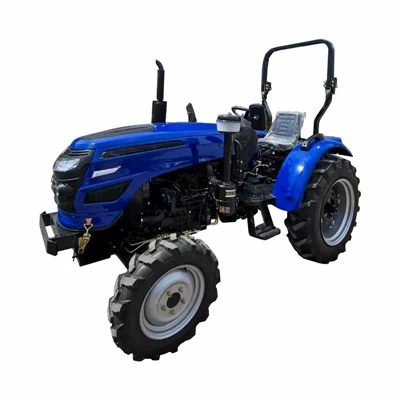
The cooling system of a wheel tractor is a complex and vital component that plays a crucial role in the machine’s performance and longevity. As a wheel tractor supplier, I understand the importance of providing high – quality cooling systems that are reliable and efficient.
Walking Tractor Whether you are using a wheel tractor for agricultural tasks, construction projects, or other applications, a well – maintained cooling system is essential to ensure smooth and trouble – free operation. If you are in the market for a wheel tractor or need to replace or upgrade your existing cooling system, I encourage you to contact me for more information. We can discuss your specific requirements and find the best solution for your needs.
References
- Automotive Cooling System Basics, SAE International
- Tractor Maintenance Manuals, Various Manufacturers
- Cooling System Technology in Heavy – Duty Vehicles, Society of Automotive Engineers
Shandong Ling Ke Industry Group Co., Ltd.
As one of the most professional wheel tractor manufacturers and suppliers in China, we’re featured by quality products and good price. Please rest assured to buy cheap wheel tractor for sale here from our factory. We also accept customized orders.
Address: 50 Meters West of the Connecting Road Between Jiuma Road and Shima Road, Fangzi District, Weifang City, Shandong Province, P.R.China
E-mail: aileenlin@sdlingkegroup.com
WebSite: https://www.lingketractor.com/
