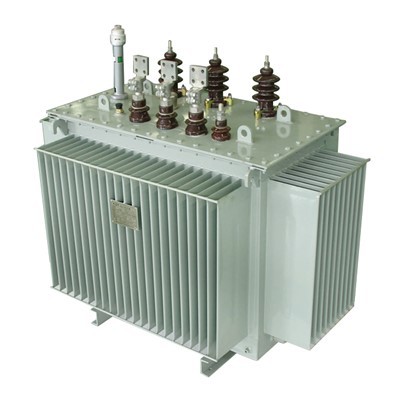
As a supplier of conventional power transformers, I understand the critical role these devices play in the electrical grid. Regular maintenance is essential to ensure the reliable and efficient operation of power transformers, extending their service life and preventing costly breakdowns. In this blog post, I will discuss the regular maintenance items for a conventional power transformer, sharing insights based on my experience in the industry. Conventional Power Transformer
Oil Inspection and Analysis
One of the most important maintenance tasks for a conventional power transformer is oil inspection and analysis. The transformer oil serves multiple purposes, including insulation, cooling, and arc quenching. Over time, the oil can degrade due to factors such as oxidation, moisture ingress, and the presence of contaminants. Regular oil analysis can detect early signs of degradation and help prevent transformer failures.
- Visual Inspection: Start by visually inspecting the oil level in the transformer. The oil level should be within the specified range on the oil level gauge. Check for any signs of oil leakage around the transformer tank, gaskets, and valves. If oil leakage is detected, it should be addressed immediately to prevent further damage.
- Sampling and Testing: Periodically take oil samples from the transformer for laboratory testing. The tests typically include dielectric strength, moisture content, acidity, and dissolved gas analysis (DGA). Dielectric strength measures the ability of the oil to withstand electrical stress, while moisture content can affect the insulation properties of the oil. Acidity indicates the degree of oil degradation, and DGA can detect the presence of gases such as hydrogen, methane, and ethylene, which are by-products of electrical faults or overheating.
- Oil Filtration and Replacement: If the oil analysis results indicate significant degradation or contamination, the oil may need to be filtered or replaced. Oil filtration can remove impurities and moisture from the oil, while oil replacement is necessary when the oil has reached the end of its useful life.
Insulation Resistance Testing
Insulation resistance testing is another crucial maintenance item for a conventional power transformer. The insulation system of the transformer is designed to prevent electrical current from leaking to the ground or other parts of the transformer. Over time, the insulation can deteriorate due to factors such as aging, moisture, and thermal stress. Regular insulation resistance testing can detect insulation problems early and help prevent electrical faults.
- Testing Procedure: Use a megohmmeter to measure the insulation resistance between the transformer windings and the ground. The test should be performed with the transformer de-energized and all connections removed. Apply a test voltage for a specified period, typically 1 minute, and record the insulation resistance value.
- Interpretation of Results: The insulation resistance value should be compared to the manufacturer’s specifications or industry standards. A low insulation resistance value may indicate insulation degradation or moisture ingress. If the insulation resistance value is below the acceptable range, further investigation is required to determine the cause of the problem.
- Corrective Actions: If insulation problems are detected, corrective actions may include drying the insulation, repairing or replacing damaged insulation, or applying a protective coating to the insulation.
Temperature Monitoring
Temperature monitoring is essential for ensuring the safe and efficient operation of a conventional power transformer. The transformer generates heat during normal operation, and excessive temperature can cause insulation degradation, reduce the lifespan of the transformer, and increase the risk of electrical faults. Regular temperature monitoring can detect overheating problems early and help prevent transformer failures.
- Thermocouples and Temperature Sensors: Install thermocouples or temperature sensors at key locations on the transformer, such as the windings, oil, and core. These sensors can provide real-time temperature data, which can be monitored remotely or on-site.
- Temperature Limits: Set temperature limits based on the manufacturer’s specifications or industry standards. If the temperature exceeds the limits, it may indicate a problem with the transformer, such as overloading, poor cooling, or a fault in the electrical system.
- Cooling System Maintenance: Ensure that the cooling system of the transformer is functioning properly. The cooling system may include radiators, fans, or oil pumps. Regularly clean the radiators and fans to remove dirt and debris, and check the oil level and flow rate in the oil pumps.
Tap Changer Maintenance
The tap changer is an important component of a conventional power transformer that allows for the adjustment of the transformer’s voltage ratio. The tap changer can be either on-load or off-load, depending on the design of the transformer. Regular tap changer maintenance is essential to ensure the reliable and efficient operation of the transformer.
- Visual Inspection: Start by visually inspecting the tap changer for any signs of damage or wear. Check the contacts, springs, and insulators for any signs of arcing, corrosion, or mechanical damage.
- Electrical Testing: Perform electrical tests on the tap changer to ensure that it is functioning properly. The tests may include contact resistance measurement, insulation resistance testing, and operating time measurement.
- Mechanical Maintenance: Lubricate the moving parts of the tap changer to ensure smooth operation. Check the alignment of the tap changer and adjust it if necessary.
Core and Winding Inspection
The core and windings are the heart of a conventional power transformer. The core is made of laminated steel sheets and provides a path for the magnetic flux, while the windings are made of copper or aluminum conductors and carry the electrical current. Regular core and winding inspection is essential to ensure the reliable and efficient operation of the transformer.
- Visual Inspection: Start by visually inspecting the core and windings for any signs of damage or wear. Check the laminations for any signs of cracking, warping, or corrosion. Check the windings for any signs of overheating, short circuits, or open circuits.
- Electrical Testing: Perform electrical tests on the core and windings to ensure that they are functioning properly. The tests may include insulation resistance testing, turns ratio measurement, and winding resistance measurement.
- Mechanical Maintenance: Check the mechanical support of the core and windings to ensure that they are properly secured. Tighten any loose bolts or nuts, and replace any damaged or worn components.
Protection System Testing
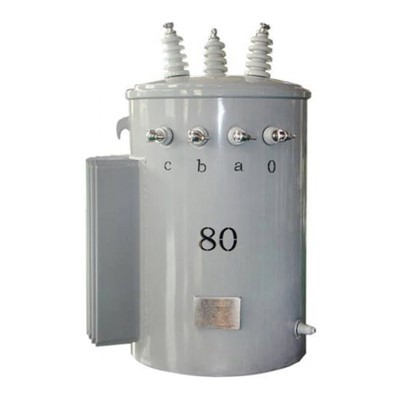
The protection system of a conventional power transformer is designed to detect and isolate faults in the transformer and the electrical system. The protection system may include overcurrent relays, overvoltage relays, differential relays, and temperature sensors. Regular protection system testing is essential to ensure the reliable and efficient operation of the transformer.
- Functional Testing: Perform functional tests on the protection system to ensure that it is functioning properly. The tests may include simulating faults in the transformer and the electrical system and verifying that the protection system responds correctly.
- Calibration: Calibrate the protection system to ensure that it is accurate and reliable. The calibration may include adjusting the settings of the relays and sensors to match the specifications of the transformer and the electrical system.
- Maintenance and Repair: Regularly maintain and repair the protection system to ensure that it is in good working condition. Replace any damaged or worn components, and clean the relays and sensors to remove dirt and debris.
Conclusion
Integrated Transformer Regular maintenance is essential for ensuring the reliable and efficient operation of a conventional power transformer. By performing the maintenance items discussed in this blog post, you can extend the service life of the transformer, prevent costly breakdowns, and ensure the safety of the electrical grid. As a supplier of conventional power transformers, I am committed to providing high-quality products and services to my customers. If you have any questions or need further information about transformer maintenance, please do not hesitate to contact me. I look forward to discussing your needs and helping you find the right solution for your application.
References
- IEEE Standard C57.106-2006, Guide for Acceptance and Maintenance of Insulating Oil in Equipment
- IEEE Standard C57.12.00-2010, Standard General Requirements for Liquid-Immersed Distribution, Power, and Regulating Transformers
- IEC 60076-1:2011, Power transformers – Part 1: General
- IEC 60076-7:2005, Power transformers – Part 7: Loading guide for oil-immersed power transformers
Nantong Yawei New Energy Technology Co., Ltd.
As one of the most professional conventional power transformer manufacturers and suppliers in China, we’re featured by quality products and good service. Please rest assured to wholesale durable conventional power transformer made in China here from our factory. Customized orders are welcome.
Address: Room 28-101, Building 27 and 28, No.333 Kaiyuan Avenue, Sunzhuang Subdistrict, Hai’an City, Nantong City, Jiangsu Province, China
E-mail: admin@nantongyawei.com
WebSite: https://www.nantongyawei.com/
