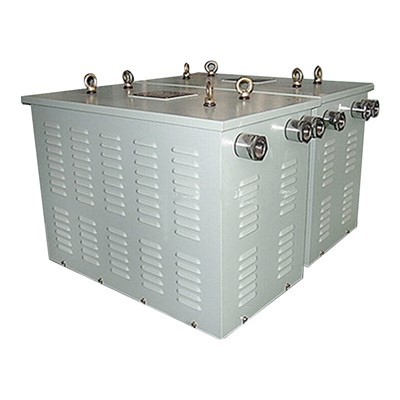
Hey there! I’m a supplier of integrated transformers, and I know that dealing with harmonic distortion is a pain point for many of us in this field. So, I thought I’d share some tips on how to reduce the harmonic distortion of an integrated transformer. Integrated Transformer
Understanding Harmonic Distortion
Before we dive into the solutions, let’s quickly talk about what harmonic distortion is. In simple terms, harmonic distortion is the presence of harmonics in an electrical system. Harmonics are multiples of the fundamental frequency of the AC power supply. For example, in a 50Hz power system, the 2nd harmonic would be 100Hz, the 3rd harmonic 150Hz, and so on.
These harmonics can cause all sorts of problems. They can overheat equipment, cause malfunctions in sensitive electronics, and even disrupt the normal operation of the power grid. In the case of integrated transformers, harmonic distortion can reduce efficiency, increase losses, and shorten the lifespan of the transformer.
Design Considerations
One of the first steps in reducing harmonic distortion is to get the design of the integrated transformer right. Here are some key design factors to consider:
Core Material
The choice of core material plays a crucial role in determining the transformer’s performance, especially when it comes to harmonic distortion. We want a core material with low hysteresis and eddy current losses. Materials like ferrite cores are often a good choice because they have high resistivity, which helps reduce eddy current losses.
For example, if we use a high – quality ferrite core in our integrated transformer, it can better handle the rapid changes in magnetic flux caused by harmonics, resulting in lower distortion.
Winding Configuration
The way we wind the coils in the transformer also matters. A well – designed winding configuration can help balance the magnetic fields and reduce the generation of harmonics.
One common technique is to use a balanced winding layout. This means that the primary and secondary windings are arranged in such a way that the magnetic fields generated by the currents in the windings cancel out any unwanted harmonics as much as possible. We can also use techniques like interleaved windings, which can improve the coupling between the windings and reduce leakage inductance, thereby reducing harmonic distortion.
Filtering Techniques
Another effective way to reduce harmonic distortion is by using filtering techniques. Filters can be installed either on the input or output side of the integrated transformer to remove or reduce the harmonics.
Passive Filters
Passive filters are made up of passive components like resistors, inductors, and capacitors. They are relatively simple and cost – effective. For example, a low – pass filter can be used to allow the fundamental frequency to pass through while blocking the higher – order harmonics.
We can design a passive filter specifically for the frequency range of the harmonics we are trying to remove. For instance, if we know that the most significant harmonics in our system are in the 3rd, 5th, and 7th order, we can design a filter that targets these frequencies.
Active Filters
Active filters are more complex but also more effective. They use active components like operational amplifiers and transistors. Active filters can dynamically adjust the filtering characteristics based on the real – time harmonic content of the electrical signal.
They can be programmed to detect and cancel out specific harmonics, providing a more precise and flexible solution. However, active filters are usually more expensive and require more maintenance compared to passive filters.
Load Management
The load connected to the integrated transformer also has a significant impact on harmonic distortion. Some types of loads, such as non – linear loads like computers, variable – speed drives, and LED lights, are major sources of harmonics.
Load Balancing
We should try to balance the load across the phases of the transformer. Unbalanced loads can cause uneven currents in the windings, which can lead to increased harmonic distortion. By distributing the load evenly, we can reduce the stress on the transformer and minimize the generation of harmonics.
Avoid Overloading
Overloading the transformer can also increase harmonic distortion. When a transformer is overloaded, the magnetic core can saturate, which can generate additional harmonics. So, it’s important to make sure that the load on the transformer does not exceed its rated capacity.
Monitoring and Maintenance
Regular monitoring and maintenance of the integrated transformer are essential to ensure its optimal performance and to keep harmonic distortion under control.
Harmonic Monitoring
We should install harmonic monitoring devices to measure the harmonic content of the electrical system. These devices can provide real – time data on the harmonic levels, allowing us to detect any issues early and take appropriate action.
For example, if the harmonic monitoring shows that the levels of certain harmonics are increasing over time, we can investigate the cause, such as a faulty load or a problem with the transformer itself.
Maintenance Checks
Regular maintenance checks of the transformer, including visual inspections, insulation resistance tests, and oil analysis (if it’s an oil – filled transformer), can help identify any potential problems that could lead to increased harmonic distortion.
We should also keep the transformer clean and well – ventilated to prevent overheating, which can also contribute to harmonic distortion.
Conclusion
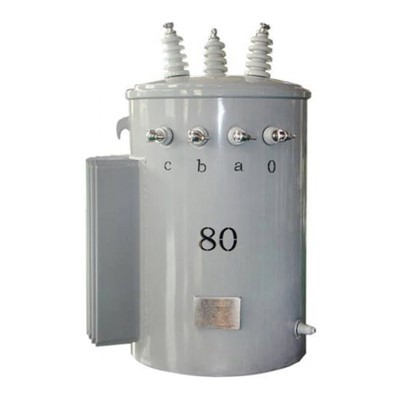
Reducing the harmonic distortion of an integrated transformer is a multi – faceted task that requires careful design, the use of appropriate filtering techniques, proper load management, and regular monitoring and maintenance. By implementing these strategies, we can improve the efficiency, reliability, and lifespan of our integrated transformers.
Structural Transformer If you’re in the market for high – quality integrated transformers or need more advice on reducing harmonic distortion, I’d love to have a chat with you. Feel free to reach out to me for a procurement discussion, and let’s work together to find the best solutions for your needs.
References
- Electric Power Systems Quality, by Roger C. Dugan, Mark F. McGranaghan, Surya Santoso, and H. Wayne Beaty.
- Power Electronics: Converters, Applications, and Design, by Ned Mohan, Tore M. Undeland, and William P. Robbins.
Nantong Yawei New Energy Technology Co., Ltd.
As one of the most professional integrated transformer manufacturers and suppliers in China, we’re featured by quality products and good service. Please rest assured to wholesale durable integrated transformer made in China here from our factory. Customized orders are welcome.
Address: Room 28-101, Building 27 and 28, No.333 Kaiyuan Avenue, Sunzhuang Subdistrict, Hai’an City, Nantong City, Jiangsu Province, China
E-mail: admin@nantongyawei.com
WebSite: https://www.nantongyawei.com/
