Yo, folks! I’m stoked to chat with you all about the rad design features of guide and wear rings. As a supplier of these bad boys, I’ve seen firsthand how crucial the right design is for getting the most out of these components. So, let’s dive right in and explore what makes guide and wear rings so special. Guide & Wear Rings

1. Material Choices
First things first, the material of guide and wear rings is a game – changer. We’ve got a bunch of options to choose from, each with its own set of awesomeness.
Polymer Materials
Polymer materials are a top pick for a lot of applications. They’re lightweight, which is a huge plus. For example, if you’re using guide and wear rings in a high – speed machine, the reduced weight means less inertia. This helps in speeding up the operation and also cuts down on energy consumption.
Another great thing about polymers is their low friction. They can glide smoothly against other surfaces, reducing wear and tear on both the ring and the mating parts. This low – friction property also translates to less heat generation, which is super important in preventing overheating and component failure.
Some common polymers we use, like PTFE (polytetrafluoroethylene), have excellent chemical resistance. So, if your equipment is working in a harsh chemical environment, these rings can stand up to the challenge without getting corroded.
Metal Materials
Now, let’s talk about metal. Metals are known for their strength and durability. In heavy – duty applications where there are high loads and pressures, metal guide and wear rings are the way to go.
For instance, bronze is a popular choice. It has good thermal conductivity, which means it can dissipate heat quickly. This is crucial in applications where there’s a lot of friction and heat build – up. Bronze also has self – lubricating properties to some extent, thanks to the graphite particles that can be present in its structure.
Stainless steel is another great metal option. It’s highly resistant to corrosion, making it perfect for applications in wet or corrosive environments like marine or chemical processing industries.
2. Geometric Design
The shape and size of guide and wear rings play a massive role in how well they perform.
Diameter and Width
Getting the right diameter is key. If the diameter is too small, the ring might not fit properly and could cause binding or excessive stress on the mating parts. On the other hand, if it’s too large, it won’t provide the necessary support and guiding function.
The width of the ring also matters. A wider ring can distribute the load more evenly over a larger surface area. This is especially important in applications with high loads, as it helps in reducing the pressure per unit area and preventing premature wear.
Cross – Sectional Shape
There are different cross – sectional shapes for guide and wear rings. The most common one is the rectangular cross – section. It’s simple and easy to manufacture. Rectangular cross – section rings are great for general – purpose applications where they just need to provide support and guide the moving parts.
There are also circular cross – section rings, known as O – rings in some cases. These can be used for sealing as well as guiding. They’re flexible and can adapt to different shapes and movements, making them suitable for applications where there’s some degree of misalignment.
3. Surface Finish
The surface finish of guide and wear rings can’t be overlooked. A smooth surface finish is pretty much essential.
When the surface is smooth, there’s less friction between the ring and the mating parts. This reduces wear and energy losses. We use different manufacturing processes to achieve a smooth finish, like grinding and polishing.
But sometimes, we might also add a special coating to the surface. These coatings can enhance the performance in different ways. For example, a diamond – like carbon (DLC) coating can improve the hardness of the surface, making it more resistant to wear. And some coatings can provide additional lubrication, further reducing friction.
4. Tolerance and Precision
In the world of guide and wear rings, precision is everything. The tolerance of the ring’s dimensions needs to be very tight. We’re talking about small variations here.
If the dimensions are not within the specified tolerances, it can lead to all sorts of problems. For example, if the thickness of the ring is off, it might not fit properly in the groove where it’s supposed to be installed. This can cause issues with the guiding function and also increase the risk of wear and failure.
We use high – precision machining tools and quality control measures to ensure that our guide and wear rings meet the strictest tolerances. This way, our customers can be confident that the rings will work as expected in their equipment.
5. Customization
One of the cool things about being a guide and wear ring supplier is that we can offer customization. Every customer’s application is different, and off – the – shelf products might not always cut it.
We can customize the material, size, shape, and surface finish of the guide and wear rings according to the customer’s specific requirements. For example, if a customer is working on a new, innovative project with unique operating conditions, we can develop a custom – made ring to fit their needs.
This customization ability gives our customers a competitive edge. They can optimize the performance of their equipment by using guide and wear rings that are perfectly tailored to their applications.
Why Choosing the Right Design Matters
When you’ve got guide and wear rings with the right design features, it can do wonders for your equipment. First of all, it extends the lifespan of the components. Less wear means you don’t have to replace the parts as often, which saves you money in the long run.
Secondly, it improves the efficiency of the equipment. With reduced friction and better guiding, the equipment can operate more smoothly and use less energy. This is not only good for your bottom line but also for the environment.
In industries where reliability is critical, like aerospace or medical, having well – designed guide and wear rings can prevent costly breakdowns and ensure the safety of the operation.
Wrapping It Up and Let’s Chat!
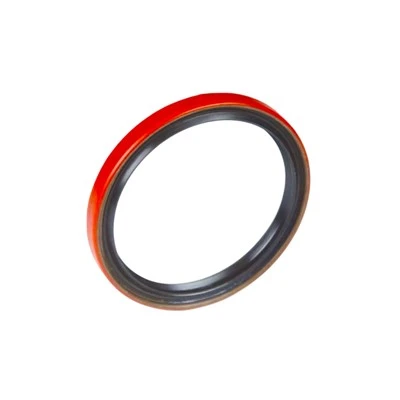
To sum it up, the design features of guide and wear rings – from material choices and geometric design to surface finish, tolerance, and customization – all work together to make these components perform at their best. As a supplier, we’re committed to providing top – notch guide and wear rings that meet and exceed your expectations.
Back-Up Rings If you’re in the market for high – quality guide and wear rings, or if you’ve got a special project that needs a customized solution, I’d love to hear from you. Let’s start a conversation and figure out the best guide and wear rings for your application.
References
- "Engineering Materials and Their Applications", William D. Callister, Jr. and David G. Rethwisch
- "Mechanical Design Handbook", Richard Budynas and Keith Nisbett
Hebei Jinwo Machinery Technology Co., Ltd.
Hebei Jinwo Machinery Technology Co., Ltd. is one of the most professional guide & wear rings manufacturers and suppliers in China, featured by quality products and good price. Welcome to buy bulk advanced guide & wear rings in stock here and get pricelist from our factory. We also accept customized orders.
Address: Room 2109, Tower A, Meidong International, No.16 Guang’an Avenue, Chang’an District, Shijiazhuang City, Hebei Province, China
E-mail: info@jinwoseal.com
WebSite: https://www.jinwoseal.com/
