If you’ve ever run a hand over a sleek, ultra-lightweight piece of luggage that feels almost weightless in your grip, or glanced at a cyclist zipping past in a road bike jersey that fits like a second skin while looking like something straight out of a futuristic design magazine, you’ve likely encountered one of the most surprising materials to take root in high fashion: carbon fiber. As a supplier of carbon fiber products, I get asked this question all the time: isn’t carbon fiber just for race cars, aerospace, and industrial construction? The short answer is no. Over the past decade, this rigid, ultra-strong composite material has crossed over from engineering labs and professional sports into the closets, accessories, and even lifestyle lines of some of the world’s most iconic fashion brands, turning a once-industrial staple into a symbol of both luxury and functional design. Today, I want to break down the most popular carbon fiber products in fashion, explain why brands are falling for this material, and share why more and more consumers are choosing it over traditional materials like leather, plastic, and metal. Carbon Fiber Products
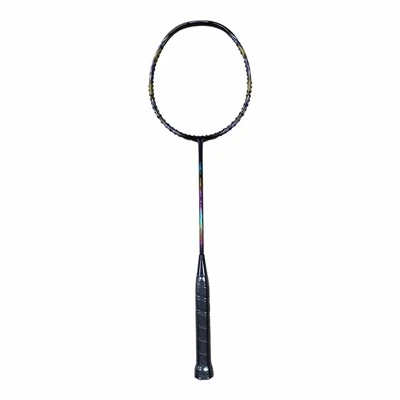
First, let’s get one thing straight about carbon fiber that makes it perfect for fashion: it’s not actually made of carbon, not in the pure, graphite way you might think. It’s a composite material, created when thin strands of carbon (each about 5 to 10 microns wide—far thinner than a human hair, which is roughly 70 microns) are woven together like fabric, then bonded with a polymer resin (usually epoxy) to form a solid, lightweight structure. The result is a material that is 5 times stronger than steel, 2 times stiffer than aluminum, and weighs about 60% less than both. That combination of strength and lightness is a game-changer for fashion, where functionality often gets sidelined for looks, and durability is a constant pain point for consumers.
Let’s start with the category that first brought carbon fiber into mainstream fashion: accessories. The most ubiquitous carbon fiber fashion item today is the handbag, and I’ve seen brands reimagine this classic accessory in ways that feel fresh and functional. Unlike leather, which can stretch, scratch, and fade over time, carbon fiber handbags hold their shape perfectly, resist scuffs and water damage, and last for decades with minimal care. A lot of people assume carbon fiber is heavy, but a standard tote bag made from high-grade carbon fiber can weigh less than a pound, even when it’s structured to hold a 15-inch laptop, a water bottle, and a notebook—something most leather tote bags struggle with without feeling bulky. Some high-end brands have taken this even further, making clutch bags and crossbody bags with woven carbon fiber patterns that mimic the texture of tweed or leather, so they look elegant at a red carpet event but are tough enough for everyday use. Then there’s eyewear: carbon fiber frames have replaced traditional acetate and metal for everything from luxury sunglasses to prescription glasses. The lightness is the big sell here—you can wear a pair of carbon fiber glasses all day and barely notice they’re on your face, unlike metal frames that dig into your nose or acetate that feels stiff and heavy. They’re also hypoallergenic, which is a huge plus for people who get rashes from nickel in cheap metal frames. I’ve had customers tell me their carbon fiber sunglasses survived being dropped in sand, stepped on by a pet, and left in a hot car, while their old acetate pairs would crack or warp in just a year. Luggage is another accessory category that’s exploded with carbon fiber. For frequent travelers, a carbon fiber carry-on is a game-changer: it’s light enough to meet airline weight limits for personal items, strong enough to survive being tossed around at baggage claim, and its hard shell resists scratches and dents that make other luggage look worn out after just a few trips.
Next, apparel. This is where carbon fiber gets a little more interesting, because most people don’t think of apparel as something made from carbon fiber—especially not the solid, rigid kind you see in a race car. But the apparel segment has two distinct types of carbon fiber products: high-performance activewear and luxury outerwear. For activewear, brands use woven carbon fiber strands that are blended with other materials like spandex or polyester to create fabrics that are lightweight, moisture-wicking, and have a subtle amount of stretch. These fabrics are used for cycling jerseys, running tights, and even ski suits, where they add support without adding bulk. A professional cyclist’s carbon fiber road jersey, for example, is breathable enough to wick away sweat during a 100-mile race, and the rigid woven carbon panels add stability so the jersey doesn’t ride up when you’re leaning into a turn. On the luxury side, we’ve seen brands like Louis Vuitton and Prada experiment with carbon fiber outerwear—think bomber jackets or trench coats with carbon fiber panels woven into the fabric, adding a sleek, modern texture that stands out from traditional wool or cotton outerwear. These pieces aren’t just for the runway, either; some brands sell ready-to-wear carbon fiber outerwear that’s designed for cold weather, with the added benefit of being water-resistant and durable enough to last for years. One of the most surprising apparel products I’ve worked on is carbon fiber denim. No, it’s not actual denim made from carbon fiber, but brands have started weaving small carbon fiber strands into denim fabric to add strength and reduce stretching. The result is jeans that hold their shape after months of wear, don’t bag out at the knees, and are resistant to tears—perfect for people who want the classic look of denim without the hassle of constant repairs.
Then there’s footwear, a category where carbon fiber has become a staple for both athletic and luxury shoes. Athletic shoes have used carbon fiber plates in the soles for years, most famously in Nike’s Vaporfly series, where the rigid carbon fiber plate helps propel runners forward and reduces fatigue during long races. But now, luxury shoe brands have started using full carbon fiber soles and even uppers for high-end dress shoes and casual sneakers. Carbon fiber soles are incredibly light and rigid, so they provide support for your feet without adding extra weight, and they don’t warp or wear down as quickly as rubber or leather soles. Some high-fashion brands have even made carbon fiber sneakers with woven uppers that look like sleek, matte fabric, making them dressy enough to wear to a wedding but comfortable enough to walk around a city all day. I’ve also seen custom carbon fiber boots made for motorcycle riders and outdoor enthusiasts, where the carbon fiber panels on the sides and toes protect the feet from impact, while the rest of the boot is made from leather for comfort.
Another category that’s often overlooked is jewelry. Carbon fiber jewelry is lightweight, hypoallergenic, and unique, with a modern, edgy look that’s popular with younger consumers who want to avoid traditional gold and silver jewelry. Rings, bracelets, necklaces, and even earrings made from carbon fiber are scratch-resistant, so they don’t get scuffed when you’re working with your hands or doing outdoor activities, and they pair well with both casual and formal clothes. Some brands even combine carbon fiber with other materials like gold or diamond accents to create luxury jewelry that’s durable and affordable compared to pure gold or platinum pieces.
So why is carbon fiber taking off in fashion right now? The answer is a mix of practicality, sustainability, and aesthetic appeal. First, durability: in a world where fast fashion makes clothes that last only a few wears, carbon fiber products are built to last for decades, which is a huge draw for consumers who are tired of buying new clothes every year. Second, sustainability: while carbon fiber production does have a higher initial carbon footprint than some traditional materials, the fact that it lasts so long means it creates far less waste over its lifetime. A carbon fiber handbag that lasts 20 years will create way less waste than three leather handbags that last 7 years each, and it’s recyclable in many cases—more and more brands are using recycled carbon fiber in their products, which reduces the environmental impact even further. Third, aesthetic: carbon fiber has a sleek, matte or glossy finish that looks modern and futuristic, and its woven pattern is unique enough to make products stand out without being overly flashy. It works for both minimalist, neutral designs and bold, statement pieces, which makes it versatile for all kinds of fashion styles.
Of course, there are common misconceptions about carbon fiber in fashion. Some people think it’s too expensive, but while high-end carbon fiber products are pricier than traditional alternatives, the long lifespan means they’re often more cost-effective in the long run. A $500 carbon fiber handbag that lasts 20 years works out to $25 a year, while a $200 leather handbag that lasts 5 years works out to $40 a year. Others think it’s too bulky or rigid for everyday wear, but modern manufacturing techniques have created flexible carbon fiber blends that bend and move with the body, so you don’t have to be a professional athlete to wear carbon fiber products comfortably.
As a carbon fiber products supplier, I’ve seen the demand for fashion-focused carbon fiber items grow steadily over the past five years. Brands are starting to understand that carbon fiber isn’t just for performance products—it’s a material that can add value, durability, and style to any line. Whether you’re a frequent traveler looking for a reliable carry-on, a cyclist who wants a jersey that can keep up with long rides, or someone who loves unique, long-lasting accessories, there’s a carbon fiber product out there that fits your needs.
If you’re a fashion brand, retailer, or buyer looking to integrate high-quality, durable carbon fiber products into your line, I’d love to discuss how we can work together to create custom solutions tailored to your needs. Our team has years of experience in the carbon fiber industry, and we work with brands of all sizes to produce everything from handbags and eyewear to footwear and apparel. We prioritize quality, sustainability, and innovation, so you can trust that our products will meet your standards and appeal to your customers.
Badminton Racket References
- Carbon Fiber Manufacturing Association. (2022). Carbon Fiber Properties and Applications.
- Fashion Institute of Technology. (2021). Advanced Materials in Contemporary Fashion.
- European Cyclists’ Federation. (2020). Performance Materials in Cycling Apparel and Equipment.
- World Resources Institute. (2023). Sustainability Impacts of Composite Materials in Consumer Goods.
Ji’an Zhongda Composite Materials Co., Ltd.
As one of the most experienced carbon fiber products manufacturers and suppliers in China, we also support customized service. We warmly welcome you to wholesale premium carbon fiber products for sale here from our factory. If you have any enquiry about quotation, please feel free to email us.
Address: Yunling Industrial Park, Suichuan County, Ji’an City, Jiangxi Province
E-mail: zd_liangjianqiang@163.com
WebSite: https://www.zdracket.com/
