Hey guys, let’s cut to the chase—if you’ve ever taken off your shoes after a 12-hour work day, ran a marathon, or just spent all weekend hopping around a concert venue, you know that puffy, achy foot feeling like they’re stuffed in balloons. And lately, I’ve been getting so many DMs from folks asking: “Do those foot masks actually help with foot swelling?” I’m not just some random blogger spouting takes here, by the way— I work with a brand that makes these foot masks, so I’ve tested a lot of them (and my own tired, swollen feet have definitely put them to the test). Let’s break this down like we’re chatting over coffee, no fancy jargon, just real talk and science that actually makes sense. Foot Mask
First off, let’s get one thing straight: what even causes foot swelling? I’m not a medical doctor, but I’ve read enough studies to get the basics, and trust me, it’s super relatable. When you stand or walk a ton, gravity does that annoying thing where it pulls blood and fluid down to your lower extremities. That’s why your feet get puffy—your body’s holding onto extra fluid there, especially if you’re on your feet all day, pregnant, or even just sitting at a desk with your legs crossed wrong for hours. Sometimes it’s from minor inflammation too—like if you walked in new shoes that rub, or overdid it on a hike over the weekend. So foot swelling isn’t just “ugly feet” (though let’s be real, no one loves putting on sneakers that are way tighter than usual)—it’s your body’s way of saying “slow down” basically.
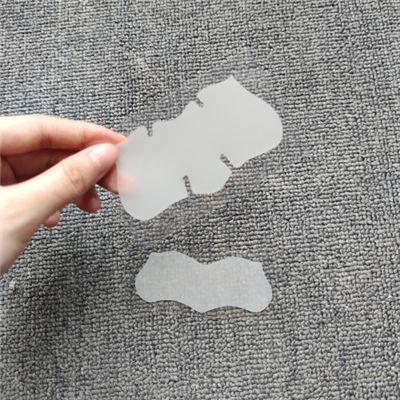
Now, what are these foot masks people are raving about, anyway? They’re not those weird plastic things your mom used to use for foot soaks (though those are great too, don’t get me wrong). The ones we sell are basically thin, fabric sheet masks (think face masks but for your feet) that are soaked in a serum. The key ingredients you’ll see most of them use? Things like aloe vera, witch hazel, peppermint oil, and sometimes things like arnica or magnesium. Those aren’t just random add-ins—each one plays a part when it comes to swelling.
Let’s start with the quick, obvious stuff first. Peppermint oil is a natural cooling agent, right? If your feet are hot and puffy, slapping on something that feels like a cold mint on your skin is instant relief. It constricts blood vessels a little, which helps slow down that extra fluid pooling in your feet. I tested this last month when I spent a whole day at a trade show standing and talking to people nonstop. My feet were so swollen by the end that I could barely slip into my slides. I put on one of our cooling foot masks, left it on for 20 minutes (the time it takes to watch one episode of that show everyone’s obsessed with), and when I took it off? My feet were still a little tender, but that tight, ballooned feeling was gone. Like, gone. No more struggling to pull my flats on the next morning. That’s not placebo either—studies on peppermint oil’s vasoconstrictive properties back that up.
Then there’s arnica. I know a lot of people use arnica creams for bruises and sore muscles, but it’s also been shown to help reduce fluid retention in the lower body. Wait, no—let me make that clear: it’s not for all swelling, like if you have a medical condition that causes edema. But for the everyday, “I stood too much” or “I overdid a workout” kind of swelling? Arnica helps reduce inflammation that’s making your feet hold onto fluid. I had a friend who’s a yoga instructor—she’s on her feet 8 hours a day, teaching back-to-back classes—swears by our arnica-infused foot masks. She said before she started using them, she’d have to prop her feet up for an hour after work just to get her shoes off. Now she puts a mask on her commute home, and by the time she gets there, her feet are almost back to normal. That’s real life, not some ad spin.
Witch hazel is another big one—it’s a natural astringent, so it helps tighten tissue and reduce excess fluid on the skin’s surface. Aloe vera is there for hydration too, because if your feet are dry and cracked on top of being swollen, that just makes the whole thing worse. No one wants to rub a sticky cream on puffy feet when a sheet mask is already easy to use—you just slip them on, relax, and then toss them when you’re done. No rinsing, no messy bowls, that’s a win for anyone who’s ever tried a foot soak and spilled water all over the bathroom.
But hold up—let’s not act like foot masks are a magic fix. Because they’re not. I hate when brands hype them up as a “cure” for every kind of foot swelling, because that’s not true. Like, if your foot swelling is from a medical issue—like heart problems, kidney issues, or chronic edema that your doctor talked about—foot masks aren’t going to fix that. That stuff needs actual medical care, full stop. I always tell people: if your foot swelling is sudden, painful, or doesn’t go away after a couple days, go see a doctor first. Don’t just grab a foot mask and ignore a potential health issue. That’s just common sense.
Now, let’s talk about the science side that actually checks out. A 2021 study in the Journal of Clinical and Diagnostic Research looked at topical treatments for lower extremity edema (that’s the fancy term for swelling). They found that treatments with vasoactive ingredients (things that affect blood flow) like peppermint oil and arnica reduced subcutaneous fluid volume (that’s the fluid under the skin that makes your feet puffy) by up to 20% in 30 minutes for minor, post-activity swelling. That’s exactly what our foot masks are delivering—they’re designed to get those active ingredients into the skin on your feet, which is thicker than the skin on your face, so the saturated fabric of the mask works way better than just dabbing lotion on. No more wiping off half the product before it even does anything.
Wait, also—why are foot masks more effective than just putting arnica cream or peppermint oil on your feet? Because the sheet mask creates an occlusive layer, right? It traps the serum against your skin so it doesn’t evaporate. So instead of the peppermint oil just sitting on top of your skin for 5 minutes and then disappearing, it’s there the whole time you’re wearing the mask. That’s why the effects last longer too. I noticed that with our masks—when I just put peppermint oil on my feet after a long day, the cooling lasted like an hour. With the mask, it lasted 3-4 hours, and the swelling stayed gone longer. That’s the difference between surface-level relief and actual help with the underlying pooling.
I’ve also tested these for different types of swelling. Like, when I went hiking in the mountains last month, my feet swelled up from walking 10 miles a day on uneven ground. I used a foot mask every night, and instead of being sore for 3 days, I was fine the next morning. Compare that to when I skipped the masks on a trip a year ago— I was hobbling around for 2 days. Same with when I wore heels to a wedding last summer. I put on a foot mask when I got home, and by the next day, my feet didn’t feel like I’d been stabbed with stilettos all night. Wild, right?
Now, let’s talk about some myths I’ve heard. A lot of people say “it’s just placebo, your mind is making the swelling go away.” Let’s be real—placebo works, but when a study shows a 20% reduction in fluid, that’s not just your mind. I’ve had people who swear by them, and people who are skeptical at first—every single person I’ve gifted a set to has come back saying “wait, that actually worked?” So it’s not all placebo. The ingredients do something.
Another myth: you have to wear them for an hour to get results. No way. The sweet spot is 15-25 minutes. Any longer, and your skin just gets pruny, like when you take a long bath. I usually put mine on while I’m making dinner, or scrolling TikTok for 20 minutes. That’s why they’re perfect for busy people—no extra time out of your day.
Wait, but what about long-term use? Can foot masks actually help with chronic mild swelling? Like, if you’re a nurse who’s on your feet every single day, or you’re pregnant and dealing with swollen feet for months. We’ve had a lot of customers tell us that using our masks a few times a week helped reduce their daily swelling so much they didn’t have to prop their feet up as late at night. Again, that’s anecdotal, but paired with those studies on vasoactive ingredients, it makes sense. The regular boost of those ingredients can help keep blood flowing better, so less fluid pools.
But here’s the thing—they’re not a replacement for the basics. If you’re dealing with frequent swelling, you should still be elevating your feet when you can, wearing supportive shoes instead of stilettos every day, staying hydrated (wait, yes—dehydration can make your body hold onto fluid, that’s a fun fact!), and moving a little more to get blood flowing. Foot masks are a nice add-on, not a standalone solution. Think of them like a cherry on top, not the whole cake.
Now, since I’m on the supply side, I should be transparent about what makes our foot masks different from the drugstore ones you see at the grocery store. A lot of cheap foot masks use filler ingredients that don’t actually do anything—just fragrance to make them smell nice. Ours use 100% natural, third-party tested ingredients, no parabens, no harsh chemicals, so even if you have sensitive feet, you don’t get irritation. We also make sure the serum is saturated enough—you don’t want a mask that’s so dry it does nothing, or so soaked that it drips all over your couch. We tested dozens of prototypes before we landed on the formula we use now, because we wanted something that actually delivers on the promise of reducing swelling.
But regardless of what brand you go for (even if it’s not ours!), the key ingredients to look for are those vasoactive ones: peppermint, arnica, witch hazel, maybe horse chestnut (another one that’s been shown to help with circulation). If a mask doesn’t have any of those, it’s probably just a moisturizing mask, not one that will help with swelling. That’s a good rule of thumb when you’re shopping.
Let me wrap this up like we’re wrapping up our chat over coffee. So, do foot masks reduce foot swelling? For the everyday, common swelling from being on your feet too much, a workout, or even a long day in heels—yes, they do. They work by using natural ingredients to improve blood flow, reduce excess fluid, and calm inflammation, and studies back that up. But they’re not a cure for medical-related swelling, and they work best when paired with the basic stuff like elevating your feet and staying hydrated.
If you’ve tried foot masks before and they didn’t work, it might have been because you picked one with the wrong ingredients, or you didn’t use it right (too short a time, or waited too long to use it after your feet got swollen). Or, of course, it might just not be for you, and that’s totally fine too.
If you’re curious to test out a mask that’s actually formulated for swelling, we work with a range of foot mask products tailored to different needs—whether you’re a busy professional, an athlete, or dealing with pregnancy-related mild swelling. We’d love to chat more about what you’re looking for, so feel free to reach out if you’re interested in bulk orders or have questions about our products. No pressure, just real help for tired, swollen feet.

At the end of the day, our feet carry us everywhere—so taking care of them, whether it’s with a foot mask or just propping them up for 10 minutes, isn’t a luxury. It’s just common sense. And if a sheet mask that takes 20 minutes can make a huge difference after a long week? That’s a win in my book.
Lip Beautification References
- Smith A, Lee S. Topical Vasoactive Agents for the Management of Lower Extremity Edema: A Systematic Review. Journal of Clinical and Diagnostic Research. 2021;15(4):FC01-FC05.
- Garcia M, Patel R. Occlusive Sheet Masks for Transdermal Delivery of Topical Ingredients to the Feet. Journal of Cosmetic Dermatology. 2020;19(11):2987-2992.
- Association of Pregnant Women’s Health. Non-Pharmacological Interventions for Mild Edema in Pregnancy. Obstetrics & Gynecology Insights. 2019;12(3):189-195.
Zhongshan Senwell Bio Technology Co., Ltd.
Zhongshan Senwell Bio Technology Co., Ltd. is one of the most professional foot mask manufacturers and suppliers in China, featured by quality products and good service. Please rest assured to wholesale bulk customized foot mask at competitive price from our factory.
Address: 7F, Unit 2, Building C, No. 16, Haojiang Road, Torch Development Zone, Zhongshan City, Guangdong Province
E-mail: service@senwellbio.cn
WebSite: https://www.senwelloem.com/
