If you’ve ever watched an endoscopic procedure—say, a colonoscopy or a gastroscopy—you might not have thought much about the thin, flexible tube being guided through a patient’s body, or the tiny forceps used to take a tissue sample. But as someone who’s spent 12 years as an endoscopic instruments supplier, I can tell you that every single part of that device is the result of non-negotiable quality control. A single speck of leftover tissue, a misplaced weld, or even a miscalibrated camera lens isn’t just a manufacturing error—it’s a patient safety risk. Over the years, I’ve worked with hospital infection control teams, surgical technologists, and FDA auditors to build a QC process that doesn’t just check boxes, but lives in every step of how we make, test, and deliver our instruments. Endoscopic Instruments
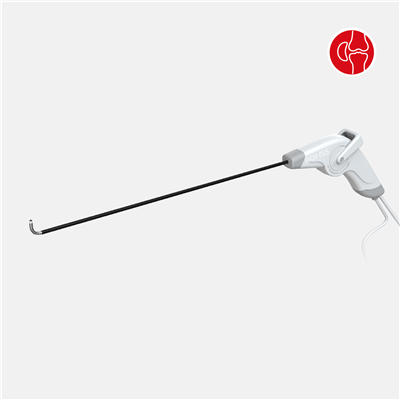
Let me start with the first step we take long before production even begins: raw material verification. Most endoscopic tools are made of medical-grade stainless steel, medical-grade silicone, or high-grade polycarbonate plastics. Early in my career, I learned a hard lesson here. A few months after launching a line of disposable biopsy forceps, a small hospital pointed out that three instruments were showing signs of corrosion after a single use. Tracing it back, we’d used a batch of steel that passed a basic hardness test but was missing a key corrosion-resistance additive required for internal use. Since then, every raw material shipment doesn’t just come with a manufacturer’s certificate—it goes through our in-house testing lab. We use a salt spray chamber to test stainless steel parts for rust, run tensile strength tests on forceps arms to make sure they don’t snap during a procedure, and perform biocompatibility tests on plastic and silicone components to ensure they won’t cause allergic reactions or tissue irritation. No material leaves our loading dock until a lab technician signs off on its test results, and we keep every batch’s data in a digital record that’s accessible for audits.
Next comes manufacturing process control, which is where most suppliers cut corners to save time and money. For endoscopes, which are reusable and have hundreds of tiny, moving parts, every weld, hinge, and cable needs to be precise. We use automated robotic welders for critical joints, but even that isn’t enough—after each weld, a team member with a magnifying glass and a digital caliper checks the width and consistency of the bead. For flexible endoscopes, the camera at the tip has to be aligned perfectly; a 0.1mm shift can cause blurry images or blind spots during a procedure. We use a 3D coordinate measuring machine to scan every camera tip post-manufacture, cross-referencing its placement against our design specs. For disposable tools, like surgical brushes or snare loops, we run 100% visual inspections for defects—no instrument with a bent loop, a frayed edge, or a misaligned hinge gets packaged. I’ve seen competitors skip this step, and it shows: last year, a client told us they’d received a shipment of disposable biopsy forceps where one in twenty had a sharp edge on the tip that could tear tissue instead of making a clean cut. We test every disposable batch by sending 5% of the units to a third-party lab, where they’re used on simulated tissue to confirm they work as intended, and if any fail, we reject the entire batch.
Sterilization and cleaning verification is arguably the most critical QC step, because even a sterile instrument that’s been improperly processed can carry pathogens that cause healthcare-associated infections (HAIs). HAIs are a huge burden on hospitals—they prolong patient stays and add billions to healthcare costs every year—and bad endoscopic instrument reprocessing is a top cause. Our reusable endoscopes go through a multi-step cleaning process before sterilization: first, they’re manually disassembled (every seal, valve, and camera is taken apart) and scrubbed with enzymatic detergent to remove all organic matter. Then, they’re run through an automated endoscope reprocessor (AER), which circulates a high-level disinfectant through every channel. But we don’t stop there—we test every single endoscope’s channels for residual protein with a luminometer, which detects even tiny traces of tissue or mucus that manual cleaning might have missed. For sterilization, we use ethylene oxide (EtO) gas for heat-sensitive instruments and autoclaving for metal parts; every sterilization cycle is logged with a chemical indicator strip that changes color only when the correct temperature, pressure, and exposure time have been met. We also perform biological tests weekly, using Geobacillus stearothermophilus spores to confirm that the sterilization process is killing all microorganisms. For disposable instruments, we package them in radiation-sterilized blister packs, and every pack has a printed sterility expiration date so hospitals know exactly when it’s safe to use.
Once instruments are made and sterilized, functional testing is next. For endoscopes, that means plugging them into a test system that checks image quality, light intensity, and air/water flow. We also test the insertion tube’s flexibility— it has to bend 180 degrees without kinking or scratching, which is a common issue with cheaper endoscopes. For tools like biopsy forceps or polypectomy snares, we test how well they open and close, how much force is needed to operate the handle, and whether the snare can fully cut through a simulated polyp tissue. I still remember a time when we tested a new line of snares and found that 8% of them didn’t close tightly enough—meaning they could slip off a polyp during a procedure. We halted production for three days, adjusted the hinge design, and retested every unit before sending any to customers. Small functional defects like that might not seem like a big deal, but in the OR, they can lead to patient complications and even surgical delays. The functional test also includes a leak test for endoscopes; a single leak in the camera channel can ruin the device and contaminate it during use. We submerge every endoscope in water and run air through the channels, looking for any bubbles that would indicate a leak—if we find one, the instrument is sent back to manufacturing to be repaired, not sent out to a hospital.
Finally, we have incoming and outgoing inspection for every order that leaves our warehouse. Before any shipment goes out, we pull 2% of the instruments from that batch to verify their serial numbers (so we can track them back to the manufacturing line and raw material batch) and confirm that all packaging is intact. We also check that each instrument comes with the required documentation: a certificate of sterility, a user manual, and a quality test report. For international orders, we make sure that all labels meet regulatory requirements for the country we’re shipping to—whether that’s the FDA in the U.S., CE marking in the EU, or the NMPA in China. We also work with our customers to provide post-market support: if a hospital has a question about a product, our technical team is on call 24/7 to walk them through use, repair, or troubleshooting. We track every product we sell, so if a potential issue comes up (like a batch of disposable instruments with a packaging defect), we can notify customers immediately, not wait for them to find the problem.
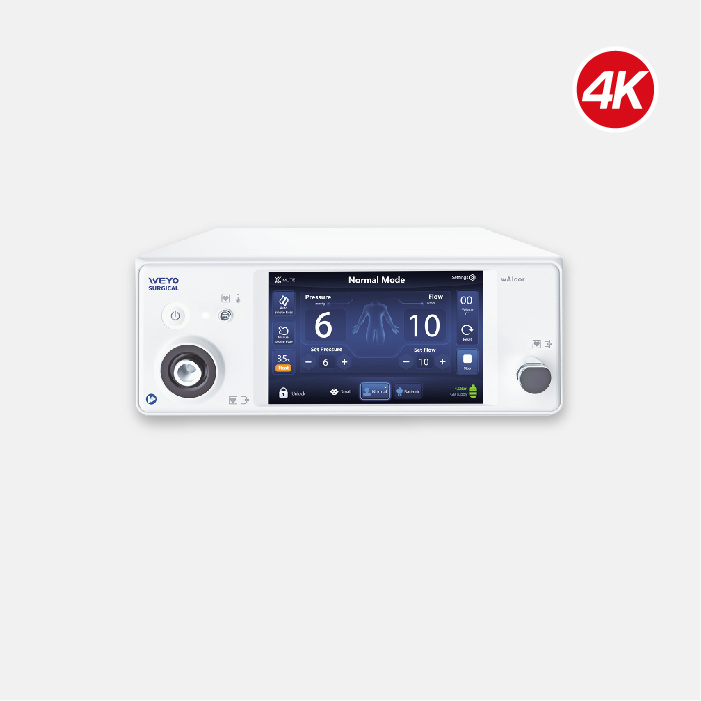
As an endoscopic instruments supplier, I don’t just sell tools—I sell peace of mind. Hospitals trust that our products will be safe, reliable, and perform as intended in some of the most high-pressure environments in medicine. That’s why quality control isn’t a department in our company—it’s the foundation of everything we do. If you’re a hospital administrator, infection control specialist, or surgery manager looking for a reliable partner for your endoscopic instrument needs, I’d welcome the chance to talk through your specific requirements. We’re always happy to provide test reports, product samples, and work with you to build a QC process that fits your facility’s standards. Reach out to our team to learn more about how we can support your practice’s patient safety and operational needs.
4K UHD Endoscopic System References:
- Centers for Disease Control and Prevention (CDC). Guidelines for Disinfection and Sterilization in Healthcare Facilities, 2008.
- Food and Drug Administration (FDA). Quality System Regulation (QSR) for Medical Devices, 21 CFR Part 820.
- Society of Gastroenterology Nurses and Associates (SGNA). Standards for Infection Prevention and Control in Gastroenterology Endoscopy Units, 2021.
- International Organization for Standardization (ISO). ISO 13485:2016, Medical Devices – Quality Management Systems – Requirements for Regulatory Purposes.
Jiangsu Bonss Medical Technology Co., Ltd.
As one of the most professional endoscopic instruments manufacturers and suppliers in China, we’re featured by quality products and good price. Please rest assured to buy bulk endoscopic instruments for sale here from our factory. Customized orders are welcome.
Address: Building #7,No.898,China Medical City Avenue, Haling District, Taizhou City.Jiangsu P.R. China
E-mail: inquiry@plasma-surgical.com
WebSite: https://www.bonssmedical.com/
