Hey there, if you’re reading this, chances are you’re either gearing up to use a CO₂ recovery device for the first time, or you’ve messed around with it a bit but still feel a little lost when the alarm blares. I get it—when I was starting out in this space, I thought it was just “set it and forget it” like a smart thermostat. Spoiler: nope. These things are workhorses, and if you don’t operate ’em right, you’re leaving money on the table (not to mention risking unnecessary downtime). As someone who’s been supplying CO₂ recovery devices for years now, I’ve seen way too many folks skip key steps and end up cursing their machines after a few bad runs. Let’s break this down like we’re chatting over a coffee—no jargon, no fluff, just the stuff that actually matters. CO₂ Recovery Device
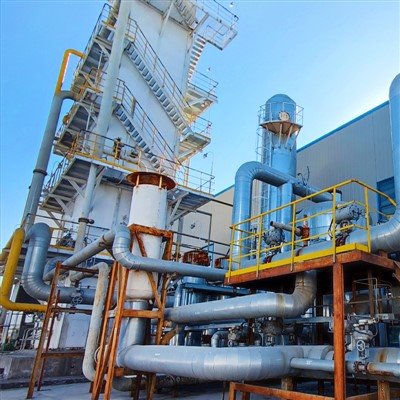
First off, let’s get one thing straight: operating a CO₂ recovery device isn’t just flipping a switch. It starts before you even touch the power button. Pre-checks are non-negotiable, and I don’t care how busy you are—skipping these is how you end up with a clogged filter or a pressure spike that shuts everything down. Let’s run through the quick pre-start checklist I give every new customer:
-
Inspect the intake lines: These tubes pull CO₂ from your source (think fermentation tanks, industrial exhaust, whatever your feed is). If there’s any kink, tear, or build-up of gunk (we’re talking dried sugars, particulates, etc.), that’s a problem. I once had a craft brewery client whose intake line was caked with yeast—their machine ran 20% slower for two weeks before they checked. Don’t be that person. Just give each line a quick visual run: follow it from the source to the device, make sure it’s taut, no cracks.
-
Check filter cartridges: Most recovery devices have a primary filter to catch big junk, and a secondary one to scrub smaller stuff. If the pressure gauge on the filter is higher than the device’s recommended max (usually around 15 psi, but always check your manual—they vary), replace or clean it before starting. Trust me, cleaning a clogged filter mid-run is a pain, and it can contaminate your recovered CO₂.
-
Verify pressure levels: Your feed line (the pipe bringing CO₂ into the device) should be at the right pressure. Too low, and the device can’t pull enough gas; too high, and you risk overpressurizing the storage tank. I tell folks to set a quick reminder 10 minutes before start time to check this—most devices have a dedicated feed pressure readout, so it’s 10 seconds of your time.
-
Top up lubricants (if needed): Some of the moving parts (like compressors) need a little oil to keep them smooth. Again, not all machines are the same, so don’t just pour random oil in—check the device’s dipstick or level indicator. Too little, and the compressor burns out; too much, and you’ll get oil contamination in your CO₂. Neither is cheap to fix.
Once you’ve nailed the pre-checks, it’s time to power up—but don’t just mash the big green button right away. Most modern devices have a start-up sequence that’s designed to purge air from the lines first. Why? If you start with air in the system, your recovered CO₂ will be contaminated, and you’ll waste a bunch of gas before it runs clean. Let’s walk through the power-up step-by-step:
-
Plug in the device (obviously), and flip the main power switch. Wait for the control panel to load—this takes 30-60 seconds, so don’t rush it. You’ll see a screen with all the pressure and temperature readings; if any are blinking red, that’s a problem. Fix those before moving on.
-
Hit the “purge” button. This runs a small burst of CO₂ (from a spare tank, if you have one) through the lines to push out air. Most purges take 2-5 minutes—set a timer if you need, just don’t cut it short. I’ve seen people purge for 30 seconds and wonder why their first batch of CO₂ is only 80% pure.
-
Once the purge is done, switch to “recovery mode.” This is where the device kicks into full gear: it compresses the raw CO₂, cools it down, and separates it from any remaining gases (like nitrogen or methane). Here’s where you need to keep an eye on a couple key readings:
- Recovery efficiency: This is the big one. Efficiency is basically how much CO₂ you’re pulling in vs. how much you’re recovering. Most good devices hit 90-95% efficiency if operated right. If yours is dropping below 85%, check your filters again or make sure the feed pressure isn’t too low. A brewery client of mine had efficiency drop to 70% and almost didn’t notice—they lost $1,200 a month worth of CO₂ before their maintenance tech pointed it out.
- Cooling temperature: The compressor’s cooling system keeps the CO₂ in liquid form (which is how you store it easily). If the temp gets too high (above 30°C, usually), your liquid CO₂ will turn back to gas, and you’ll have storage issues. If it’s too low (below -10°C), you might get ice buildup in the lines. Both are manageable, but you need to adjust the cooling settings slightly if you see this.
- Storage tank pressure: Once recovered, CO₂ goes into a storage tank. Keep an eye on this—if it hits the max pressure (usually 850 psi), the device will automatically shut off, which is normal. But if it’s spiking without filling, there’s a leak in the system. Do a quick leak check with soapy water on all connections—bubbles mean a leak, and you’ll need to tighten that fitting.
Now, here’s the part almost no one talks about: in-run maintenance. You can’t just start the device and ignore it for 8 hours. I recommend checking in every 2 hours for the first few runs, then every 4 once you’re comfortable. The things to look for here are:
- Strange noises: Knocking, hissing, or grinding? That’s not normal. Most of the time, it’s a loose part or a filter that’s slipping. If you hear something off, shut the device down immediately—ignoring it can lead to a full breakdown. I had a client who tried to run his device through a grinding noise for an hour, and the compressor seized up, costing him $5k in repairs. Ouch.
- Condensation or moisture buildup: Some moisture in the lines is normal, but if you see a lot pooling, that means the dehydrator (another key part) is working overtime. Check the dehydrator’s cartridge—if it’s wet or saturated, swap it out. Moisture in recovered CO₂ will mess with products (like beer, where too much water dilutes flavor) so this is a quick fix.
- Power fluctuations: If your area has spotty electricity, make sure the device has a surge protector. We supply them as an add-on, but some folks skip it, and a power surge can fry the control panel. Also, if power cuts out mid-run, don’t just restart right away—wait 5 minutes for the compressor to cool down. Restarting too soon can damage it.
Once you’re done with the run—whether that’s the storage tank being full or your feed source running out—shutdown is just as important as startup. Rushing this is how you get moisture or debris stuck in the lines, which causes issues next time. Let’s do the shutdown right:
- First, switch the device to “standby” mode, not off. This runs a small purge of clean CO₂ through the lines to push out any remaining raw gas. Again, don’t skip this—if you leave raw gas in the lines, it can corrode them over time.
- After 10 minutes (check your manual for exact time, it varies), flip the compressor and cooling switch off. Then turn the main power switch off, and unplug the device if you’re planning to leave it idle for more than a day.
- Finally, lock up the intake and storage valves. This prevents any accidental leaks, especially if you’re working around flammable materials (like in a brewery, where there’s ethanol vapor). Pro tip: tape the valves shut if you’re prone to forgetting—small reminder, big peace of mind.
Wait, but what about common troubleshooting stuff that pops up? Let’s address the questions I get asked most by customers, because I know you’re thinking of these right now:
- “My device won’t start—what do I do?”: First, check the power. Is the cord plugged in? Is the breaker tripped? Most of the time, it’s a tripped breaker, not a broken device. If power isn’t the issue, check the control panel for error codes—they’re usually labeled (like “Err1 = low pressure”) so you don’t have to guess.
- “My recovered CO₂ is low purity—why?”: Likely the purge was too short, or your filters are clogged. Another common one: the dehydrator is saturated, so moisture is mixing with the CO₂. Run a quick purge and check your filters first.
- “The pressure keeps spiking in the storage tank”: That’s usually a blockage in the outlet line, or a faulty pressure relief valve. Shut down the device, check the outlet line for kinks, and if that’s fine, call a tech—don’t mess with the relief valve yourself, it’s a safety part.

Before I wrap this up, a quick note from someone who sells these things every day: these devices are built to last, but they’re not unbreakable. The number one mistake I see is cutting corners on maintenance. If you follow these steps—pre-checks, careful startup, regular in-run checks, proper shutdown—you’ll get years of use out of your machine, and way more recovered CO₂ to sell or reuse.
Gas Transport Pipelines If you’re in the market for a CO₂ recovery device, or you already have one and want to make sure you’re getting the most out of it, feel free to reach out to our team for a consultation. We can walk you through customizing the setup for your specific operation (whether that’s a brewery, winery, industrial plant, or biogas facility) and answer any questions you have. No pressure, just real talk about how to make this work for you.
References
- American Institute of Chemical Engineers. (2021). Guidelines for CO₂ Recovery and Purification Processes. AIChE Press.
- International Society of Beverage Technologists. (2022). CO₂ Recovery Best Practices for Fermentation Facilities. ISBT Technical Bulletin.
- U.S. Environmental Protection Agency. (2020). Industrial CO₂ Recovery: Efficiency and Safety Standards. EPA Office of Air and Radiation.
Xinxiang Jiale Intelligent Equipment Co., Ltd.
As one of the most professional co₂ recovery device manufacturers and suppliers in China, we’re featured by quality products and good service. Please rest assured to buy durable co₂ recovery device for sale here from our factory. We also accept customized orders.
Address: No.3913, 9th Floor, Unit 3, East Commercial and Office Complex, Baolong City Plaza, Hongqi District, Xinxiang City, Henan Province, China
E-mail: cc2397410@gmail.com
WebSite: https://www.jiale-asu.com/
