As a dedicated supplier of nursery plant supports, I’ve witnessed firsthand the diverse needs of different plant species when it comes to support. In the world of horticulture, one size definitely does not fit all. Each plant has its own unique growth habits, size, and structural requirements, which necessitate a variety of plant support solutions. Nursery Plant Supports
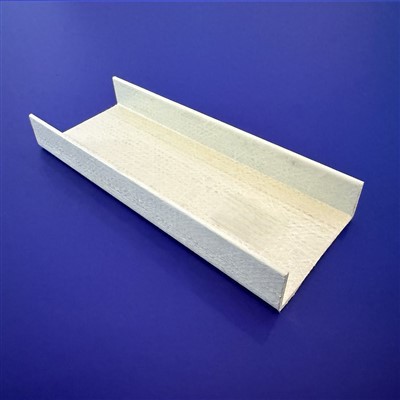
Let’s start by looking at climbing plants. These are some of the most well – known users of plant supports. Vines such as clematis, ivy, and morning glories have a natural tendency to grow upwards by twining around objects. For these plants, trellises are an excellent choice. Trellises come in various materials, including wood, metal, and plastic. Wooden trellises offer a natural and rustic look, which can blend well with a garden’s aesthetic. They are relatively easy to install and can be customized in terms of size and shape. However, they may require regular maintenance to prevent rot. Metal trellises, on the other hand, are more durable and can withstand harsh weather conditions. They often have a more modern and sleek appearance. Plastic trellises are lightweight, affordable, and resistant to corrosion. They are a great option for those on a budget or for temporary installations.
Another type of climbing plant is the climbing rose. Unlike vines that twine, climbing roses need to be tied to a support structure. Arbors and pergolas are ideal for climbing roses. An arbor provides a focal point in the garden, creating a beautiful archway that the roses can cover. Pergolas are larger structures that can provide shade as well as support for the roses. They can transform a simple garden into a romantic and inviting space. When using arbors or pergolas for climbing roses, it’s important to ensure that the structure is sturdy enough to hold the weight of the mature plant.
Moving on to tall, upright plants like sunflowers and delphiniums. These plants can grow quite tall and may need support to prevent them from toppling over, especially in windy conditions. Stakes are the most common support for these types of plants. Bamboo stakes are a popular choice as they are lightweight, strong, and environmentally friendly. They can be easily inserted into the ground next to the plant. Metal stakes are also available and offer greater durability. Some stakes come with adjustable ties, which allow you to secure the plant at different heights as it grows.
For plants with heavy flower heads, such as peonies, a different type of support is required. Peony rings are specifically designed to hold up the large, heavy blooms. These rings are usually made of metal or plastic and are placed around the plant early in the growing season. As the peony grows, the ring provides a framework that keeps the flowers upright, preventing them from drooping to the ground.
Tomato plants are another example of plants that need specialized support. Tomato cages are a staple in many vegetable gardens. They are typically made of wire and are designed to enclose the tomato plant, providing support as it grows and produces fruit. The cage allows the plant to spread out while keeping it upright, making it easier to harvest the tomatoes. Some tomato cages are collapsible, which makes them convenient for storage when not in use.
In addition to these common plant species, there are also some unique cases. For example, orchids, which are epiphytic plants, often grow on trees in their natural habitat. In a nursery setting, orchid supports can be made of materials like cork bark or wooden slabs. These supports mimic the natural environment of the orchid, allowing it to attach itself and grow healthily.
The choice of plant support also depends on the stage of the plant’s growth. Young plants may require more gentle support, such as small stakes or soft ties. As the plant matures, it may need a more robust support structure. For instance, a young tomato plant can start with a simple stake, but as it grows and produces fruit, a tomato cage becomes necessary.
It’s also important to consider the long – term effects of the support on the plant. Some supports may rub against the plant, causing damage. For example, if a stake is not padded properly, it can scrape the stem of the plant, making it more susceptible to diseases. Therefore, it’s crucial to choose supports that are gentle on the plant and to ensure proper installation.
As a nursery plant support supplier, I understand the importance of providing high – quality and appropriate support solutions for different plant species. We offer a wide range of products, from simple stakes to elaborate arbors and pergolas. Our products are designed to meet the diverse needs of gardeners, whether they are hobbyists or professional growers.

If you’re in the market for nursery plant supports, I encourage you to reach out to us. We can help you choose the right support for your specific plant species and growing conditions. Our team of experts is always ready to provide advice and guidance. Whether you’re starting a new garden or looking to upgrade your existing plant supports, we have the solutions you need. Contact us today to discuss your requirements and start enhancing the health and beauty of your plants.
Climbing Plant Supports References
- "The Well – Tended Perennial Garden" by Tracy DiSabato – Aust
- "Vegetable Gardening for Beginners" by Joe Lamp’l
- "The Complete Book of Roses" by Stephen Scanniello and Peter Kukielski
Yizheng Wanteng Composites Co., Ltd.
As one of the most professional nursery plant supports manufacturers and suppliers in China, we’re featured by quality products and good service. Please rest assured to wholesale bulk slip-resistant nursery plant supports for sale here from our factory. Contact us for pricelist.
Address: No. 20 Longyi Road, Qingshan Town Industrial Park, Yizheng City, Jiangsu Province, China
E-mail: mark@wantfrp.com
WebSite: https://www.wantfrp.com/
