In the realm of personal and property protection, bulletproof glass and ballistic shields are two critical components that have revolutionized safety measures. As a supplier of bulletproof glass that adheres to the NIJ (National Institute of Justice) Standard, I’ve had the opportunity to delve deep into the intricacies of these protective solutions. This blog aims to compare bulletproof glass for the NIJ Standard with ballistic shields, shedding light on their unique features, applications, and performance. Bulletproof Glass for NIJ Standard
Understanding the NIJ Standard
Before we dive into the comparison, it’s essential to understand the significance of the NIJ Standard. The NIJ sets rigorous testing and performance criteria for body armor and other ballistic – resistant materials. Bulletproof glass that meets the NIJ Standard has undergone extensive testing to ensure it can withstand specific levels of ballistic threats, ranging from handgun rounds to high – velocity rifle ammunition. This standard provides a reliable benchmark for consumers to gauge the effectiveness of protective products.
Composition and Structure
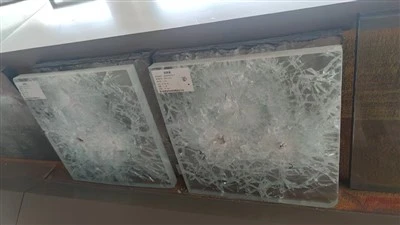
Bulletproof glass, as per the NIJ Standard, is typically composed of multiple layers of glass and plastic. These layers are carefully laminated together to create a material that can absorb and disperse the energy of a bullet upon impact. The glass layers provide the initial resistance, while the plastic interlayers, often made of polycarbonate, help to hold the glass together and prevent shattering. This construction allows the bulletproof glass to maintain its integrity and continue to provide protection even after multiple impacts.
On the other hand, ballistic shields are usually made from a combination of high – strength materials such as aramid fibers (e.g., Kevlar), polyethylene, and sometimes ceramics. Aramid fibers are known for their excellent strength – to – weight ratio, making them lightweight yet highly effective at stopping bullets. Polyethylene is also a popular choice due to its high energy – absorbing capabilities. Ceramics, when used, are often placed on the front of the shield to break up the bullet and reduce its kinetic energy.
Protection Levels
One of the most significant aspects of comparing bulletproof glass and ballistic shields is their protection levels. Bulletproof glass for the NIJ Standard is available in different levels, each designed to stop specific types of ammunition. For example, Level IIIA glass can stop most handgun rounds, including.44 Magnum, while Level IV can withstand high – powered rifle rounds like.30 – 06 Springfield.
Ballistic shields also come in various protection levels. However, the design of ballistic shields often focuses on providing immediate protection for individuals in high – risk situations, such as law enforcement officers during tactical operations. They are typically rated to stop handgun and shotgun rounds at close range. While some high – end ballistic shields can offer protection against rifle rounds, they may be heavier and more cumbersome to carry.
Visibility and Transparency
Bulletproof glass offers a distinct advantage in terms of visibility. Since it is transparent, it allows for unobstructed views, which is crucial in applications such as bank teller windows, security checkpoints, and vehicle windshields. This transparency enables personnel to monitor the surroundings effectively while remaining protected.
Ballistic shields, on the other hand, are usually opaque. While this may not be a significant drawback in some situations, such as when an officer is using the shield to approach a suspect, it can limit situational awareness. Some modern ballistic shields do incorporate small windows for sightlines, but these are often limited in size and quality compared to bulletproof glass.
Mobility and Portability
Ballistic shields are highly portable, making them ideal for dynamic situations where rapid movement is required. Law enforcement officers can easily carry a shield into a building, across a street, or up a flight of stairs. Some shields are even designed to be lightweight and ergonomic, reducing fatigue during extended use.
Bulletproof glass, on the other hand, is typically a fixed installation. It is used in buildings, vehicles, and other structures where long – term, permanent protection is needed. While it is possible to create portable bulletproof glass panels, they are generally heavier and more difficult to move compared to ballistic shields.
Durability and Long – Term Performance
Bulletproof glass is designed to be a long – term investment. Once installed, it can provide reliable protection for many years with minimal maintenance. The laminated construction of bulletproof glass helps to prevent damage from environmental factors such as UV radiation, moisture, and temperature fluctuations.
Ballistic shields, while durable, may require more frequent inspection and maintenance. The materials used in ballistic shields can be subject to wear and tear, especially if they are used in high – stress situations. Additionally, the impact of bullets on the shield can cause damage to the material, reducing its effectiveness over time.
Applications
The applications of bulletproof glass and ballistic shields differ significantly. Bulletproof glass is commonly used in commercial buildings, such as banks, jewelry stores, and government offices, to protect employees and customers from armed threats. It is also used in vehicles, including armored cars and military vehicles, to provide protection for passengers.
Ballistic shields are primarily used by law enforcement and military personnel during tactical operations. They are essential tools for officers when approaching suspects, conducting searches, or responding to active shooter situations.
Cost Considerations
Cost is an important factor when choosing between bulletproof glass and ballistic shields. Bulletproof glass can be more expensive to install, especially for large – scale applications. The cost includes the materials, labor for installation, and any additional features such as a special coating or tint.
Ballistic shields, on the other hand, are generally more affordable on a per – unit basis. However, the cost can add up if multiple shields are required for a large – scale operation.
Conclusion
In conclusion, both bulletproof glass for the NIJ Standard and ballistic shields have their unique advantages and disadvantages. Bulletproof glass offers excellent long – term protection, transparency, and durability, making it ideal for fixed installations in commercial and vehicle applications. Ballistic shields, on the other hand, are highly portable and provide immediate protection in dynamic, high – risk situations.

As a supplier of bulletproof glass that meets the NIJ Standard, I understand the importance of providing high – quality, reliable protection solutions. Whether you’re a business owner looking to secure your premises or a law enforcement agency in need of effective protective equipment, I can offer expert advice and customized solutions.
Bulletproof Glass for NIJ Standard If you’re interested in learning more about our bulletproof glass products, or if you have specific requirements for your protection needs, I encourage you to reach out. We can engage in detailed discussions about your project, providing you with accurate quotes and technical specifications. Let’s work together to ensure your safety and security.
References
- National Institute of Justice. (Year). Ballistic Resistance of Body Armor. NIJ Standard – 0101.xx.
- Various manufacturers’ product brochures and technical documentation on bulletproof glass and ballistic shields.
Shaoxing Transparent Armoring Materials Co., Ltd.
As one of the most professional bulletproof glass for nij standard manufacturers and suppliers in China, we’re featured by quality products and good service. Please rest assured to buy durable bulletproof glass for nij standard made in China here from our factory. We also accept customized orders.
Address: No.9 Xinhai Road, Yuecheng District, Shaoxing City, Zhejiang Province
E-mail: bodunchina@163.com
WebSite: https://www.king-armor.com/
