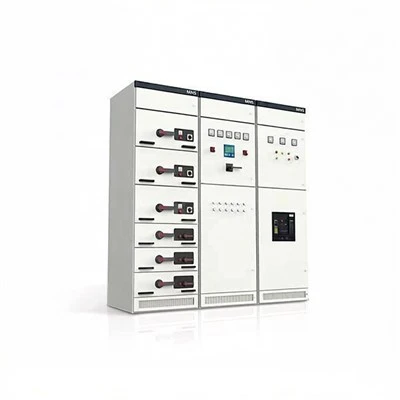
New materials play a pivotal role in revolutionizing the power switchgear manufacturing industry. As a power switchgear supplier, I am constantly on the lookout for cutting – edge materials that can enhance the performance, safety, and durability of our products. In this blog, I’ll delve into some of the new materials that are making waves in power switchgear manufacturing. Power Switchgear
Nanocomposites
Nanocomposites are materials composed of a polymer matrix and nanoparticles. These materials have unique electrical and mechanical properties that make them ideal for power switchgear applications. For instance, nanocomposites can exhibit improved dielectric properties compared to traditional insulating materials. The addition of nanoparticles can increase the breakdown strength of the material, reducing the risk of electrical arcing.
In switchgear, reliable insulation is crucial to prevent electrical faults and ensure the safety of the equipment and the operators. Nanocomposites can provide a more stable insulation environment, even under high – voltage and high – temperature conditions. Moreover, their mechanical strength is often superior to that of pure polymers. This durability allows switchgear components made from nanocomposites to withstand mechanical stresses during operation and transportation, reducing the likelihood of damage and extending the service life of the switchgear.
Graphene
Graphene, a single layer of carbon atoms arranged in a hexagonal lattice, is another remarkable material in the power switchgear field. Graphene has excellent electrical conductivity, which is significantly higher than that of copper, a commonly used conductor in switchgear. This high conductivity can reduce the resistance in electrical circuits within the switchgear, leading to less energy loss in the form of heat.
Reduced heat generation is not only beneficial for energy efficiency but also for the safety of the switchgear. High temperatures can degrade insulation materials over time, increasing the risk of electrical faults. By using graphene – based conductors, the operating temperature of the switchgear can be lowered, improving the overall reliability of the system. Additionally, graphene is extremely strong and flexible. These mechanical properties allow it to be used in innovative ways in switchgear design, such as in flexible conductive connections or in the reinforcement of other materials.
Solid – State Insulators
Traditional switchgear often uses gas – filled insulation systems, such as sulfur hexafluoride (SF6). However, SF6 is a potent greenhouse gas, and its use is being restricted due to environmental concerns. Solid – state insulators are emerging as a more sustainable alternative. These materials are often made from polymers, ceramics, or a combination of both.
Solid – state insulators can provide excellent insulation performance, similar to or even better than SF6 in some cases. They are non – toxic and do not contribute to global warming. In addition, they are more compact, which can lead to a reduction in the physical size of the switchgear. This is advantageous in applications where space is limited, such as in urban substations or on offshore platforms. Their solid nature also means they are less prone to leakage compared to gas – filled systems, reducing the need for maintenance and improving long – term reliability.
High – Temperature Superconductors
High – temperature superconductors (HTS) are materials that can conduct electricity with zero resistance when cooled below a certain critical temperature. In power switchgear, HTS can bring about significant improvements in performance. The zero – resistance property of HTS means that there is no energy loss due to electrical resistance, which can lead to a substantial increase in energy efficiency.
Moreover, HTS can handle high currents without overheating, allowing switchgear to be designed for higher power ratings. This is particularly useful in modern power systems with increasing demands for electricity. Although cooling HTS materials requires additional equipment and energy, the development of more efficient cooling systems is making them increasingly practical for power switchgear applications.
Metal – Matrix Composites
Metal – matrix composites (MMCs) consist of a metal matrix, such as aluminum or magnesium, reinforced with ceramic particles or fibers. These materials offer a combination of high strength, good electrical conductivity, and excellent heat dissipation properties.
In power switchgear, MMCs can be used to manufacture enclosures and structural components. Their high strength can protect the internal components of the switchgear from external impacts, while their good electrical conductivity can help in grounding and electrical shielding. Additionally, their superior heat dissipation capabilities can ensure that the switchgear operates at optimal temperatures, preventing thermal damage to sensitive components.
The Impact of These New Materials on Our Switchgear Products
As a power switchgear supplier, the incorporation of these new materials into our products has several positive impacts. Firstly, it enhances the performance of our switchgear. For example, the use of nanocomposites and solid – state insulators improves the dielectric strength and insulation reliability, reducing the occurrence of electrical breakdowns. This means that our customers can expect fewer interruptions in their power supply, leading to increased productivity and reduced downtime.
Secondly, these new materials contribute to environmental sustainability. By replacing SF6 with solid – state insulators and using more energy – efficient materials like graphene and HTS, we are reducing our carbon footprint. This is in line with the global trend towards a more sustainable energy future, and it allows our customers to meet their own environmental goals.
Thirdly, the new materials improve the durability and reliability of our switchgear. The superior mechanical properties of nanocomposites, MMCs, and graphene – reinforced materials ensure that our products can withstand harsh operating conditions. This reduces the need for frequent replacements and repairs, saving our customers both time and money in the long run.
How We Approach the Use of New Materials
When considering the use of new materials in our power switchgear manufacturing process, we follow a systematic approach. First, we conduct extensive research on the properties and performance of the new materials. We collaborate with research institutions and material suppliers to understand their potential applications in switchgear.
Next, we perform laboratory tests to evaluate the compatibility of these materials with our existing manufacturing processes and other components of the switchgear. This includes testing for electrical conductivity, dielectric strength, mechanical strength, and chemical stability.
Once we have determined that a new material is suitable for use in our products, we carry out small – scale production trials. These trials allow us to refine our manufacturing processes and ensure the quality and consistency of the products made with the new materials. Only after successful trials do we integrate the new materials into our full – scale production.
Encouraging Contact for Purchase and Negotiation
If you are in the market for high – quality power switchgear that benefits from the latest in materials technology, I invite you to reach out to us. We are committed to providing our customers with innovative, reliable, and sustainable power switchgear solutions. Whether you are involved in a large – scale power project or a small – to – medium – sized industrial application, our products can meet your needs.
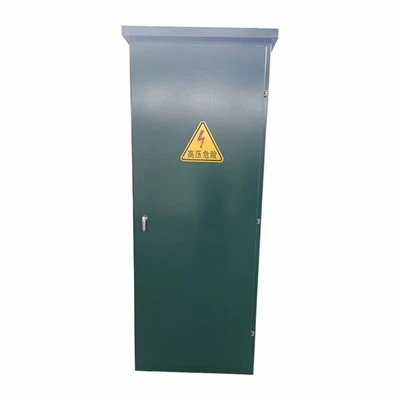
By choosing our switchgear, you are not only getting a product that is at the forefront of technological advancement but also one that is backed by our years of experience and expertise in the industry. We understand that every project has its unique requirements, and we are ready to work with you to customize our switchgear to fit your specific needs.
AC Voltage Transformer So, if you are interested in learning more about our power switchgear products or would like to discuss a potential purchase, please feel free to contact us. Our sales team is eager to engage in a detailed negotiation with you to ensure that you get the best possible deal in terms of price, delivery, and technical support. Let’s work together to build a more efficient and sustainable power infrastructure.
References
- "Nanocomposites for Electrical Insulation: Past, Present, and Future Trends" by C. G. de Souza, et al., IEEE Transactions on Dielectrics and Electrical Insulation.
- "Graphene: Properties, Preparation, and Potential in Electrical Engineering" by A. K. Geim and K. S. Novoselov, Nature Materials.
- "Solid – State Insulators for High – Voltage Switchgear: A Review" by J. M. Simões, et al., IEEE Electrical Insulation Magazine.
- "High – Temperature Superconductors: Fundamentals and Applications" by C. P. Poole, et al., Wiley – VCH.
- "Metal – Matrix Composites: An Overview" by M. K. Surappa, Journal of Materials Science.
Jiangshan Da’an Electric Power Equipment Co., Ltd.
As one of the most professional power switchgear manufacturers and suppliers in China, we have world-leading production equipment and strong manufacturing capabilities. Please feel free to buy high quality power switchgear made in China here from our factory.
Address: No. 7 Longfei Road, Shuangta Sub-district, Jiangshan City, Zhejiang Province, P.R. China
E-mail: 1614665601@qq.com
WebSite: https://www.daan-electrical.com/
