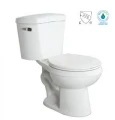
Adjusting the water level in a back to wall toilet is a crucial maintenance task that can enhance the toilet’s performance, prevent water wastage, and ensure proper flushing. As a dedicated supplier of back to wall toilets, I’ve witnessed firsthand the importance of getting this adjustment right. In this post, I’ll share my insights on how you can effectively adjust the water level in a back to wall toilet. Back To Wall Toilet
Understanding the Importance of Water Level in Back to Wall Toilets
Before delving into the adjustment process, it’s essential to understand why the water level matters. A proper water level is vital for several reasons. Firstly, it ensures a powerful and efficient flush. If the water level is too low, the toilet may not be able to clear waste effectively, leading to clogs and unpleasant odors. On the other hand, if the water level is too high, it can cause water to spill over the rim, resulting in water wastage and potential damage to the surrounding area.
Secondly, maintaining the correct water level is environmentally friendly. By using only the necessary amount of water for each flush, you can contribute to water conservation efforts. Additionally, it can lead to cost savings on your water bill over time.
Tools You’ll Need
To adjust the water level in a back to wall toilet, you’ll need a few basic tools. These include a pair of pliers, a screwdriver (usually a Phillips head), and a measuring cup. It’s also a good idea to have a towel on hand to wipe up any spills.
Step-by-Step Guide to Adjusting the Water Level
Step 1: Turn Off the Water Supply
The first step is to turn off the water supply to the toilet. Locate the shut – off valve, which is usually located on the wall behind the toilet. Turn the valve clockwise until the water flow stops. Flush the toilet to drain the remaining water from the tank. This will prevent any water from spilling out during the adjustment process.
Step 2: Remove the Tank Lid
Carefully lift the tank lid off the toilet tank and place it in a safe location. Be gentle as the lid is often made of porcelain and can break easily.
Step 3: Locate the Float Mechanism
The float mechanism is responsible for controlling the water level in the tank. There are several types of float mechanisms, including ball floats, float cups, and float arms. In most back to wall toilets, you’ll likely find a float arm. The float arm is a metal or plastic rod attached to a float (usually a plastic ball or cup). As the water level in the tank rises, the float rises with it, and when it reaches a certain height, it shuts off the water supply.
Step 4: Adjust the Float Arm
If your back to wall toilet has a float arm, you can adjust the water level by bending the float arm up or down. To raise the water level, bend the float arm slightly upward. This will allow the float to rise higher before shutting off the water supply. To lower the water level, bend the float arm downward. Make small adjustments at a time, as even a slight change can have a significant impact on the water level.
Step 5: Adjust the Float Cup or Ball Float
Some back to wall toilets use a float cup or ball float instead of a float arm. If you have this type of float mechanism, you can adjust the water level by adjusting the height of the float. This is usually done by turning a screw or using a small adjustment lever. Refer to the manufacturer’s instructions to determine the proper way to adjust your specific float mechanism.
Step 6: Check the Water Level
After making an adjustment, turn the water supply back on. Let the tank fill up. Once the water stops flowing, use a measuring cup to check the water level in the tank. The ideal water level is usually about 1 – 2 inches below the top of the overflow tube. The overflow tube is a vertical pipe in the middle of the tank. If the water level is not within the desired range, make further adjustments to the float mechanism until you achieve the correct water level.
Step 7: Reinstall the Tank Lid
Once you’re satisfied with the water level, carefully place the tank lid back on the toilet tank. Make sure it is centered and sits snugly on the tank.
Common Issues and Troubleshooting
Sometimes, you may encounter issues when adjusting the water level in a back to wall toilet. Here are some common problems and solutions:
- Water Continues to Run: If the water continues to run after the tank is full, it could be due to a faulty float mechanism or a worn – out fill valve. Check the float to make sure it is moving freely and not getting stuck. If the problem persists, you may need to replace the fill valve.
- Water Level Does Not Adjust: If you’re unable to adjust the water level, there could be a blockage in the float mechanism or a problem with the fill valve. Inspect the float arm, float, and fill valve for any signs of damage or blockages. Clean any debris that may be preventing the float from moving properly.
- Water Spills Over the Rim: If water is spilling over the rim of the toilet bowl, the water level in the tank may be too high. Lower the water level by adjusting the float mechanism as described above.
Tips for Maintaining Your Back to Wall Toilet
In addition to adjusting the water level, regular maintenance of your back to wall toilet can help extend its lifespan and ensure optimal performance. Here are some tips:
- Clean the Tank Regularly: Over time, sediment and minerals can build up in the toilet tank, affecting the performance of the float mechanism and fill valve. Clean the tank at least once every six months using a mild cleaning solution.
- Check for Leaks: Periodically check for leaks around the base of the toilet and the connections to the water supply line. A small leak can waste a significant amount of water over time.
- Use Toilet – Safe Cleaners: When cleaning the toilet bowl, use cleaners that are specifically designed for toilets. Harsh chemicals can damage the porcelain and the internal components of the toilet.
Conclusion
Adjusting the water level in a back to wall toilet is a relatively simple task that can have a big impact on the toilet’s performance and water efficiency. By following the steps outlined in this guide and performing regular maintenance, you can keep your back to wall toilet in top condition.
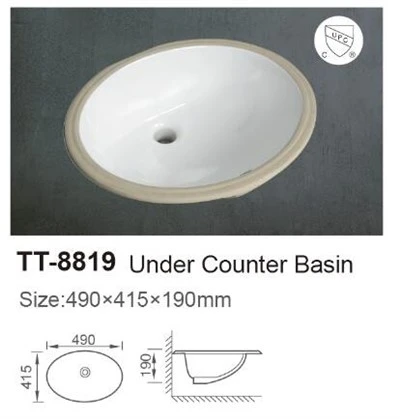
Cabinet Basin If you’re in the market for a high – quality back to wall toilet or need further advice on toilet maintenance, I’d be more than happy to assist you. Feel free to reach out for a detailed discussion on our product range and how it can meet your specific needs. Let’s work together to ensure you have a reliable and efficient toilet solution for your home or business.
References
- Plumbing Handbook: A comprehensive guide to plumbing systems and maintenance.
- Toilet Manufacturer’s Manuals: Specific instructions for different models of back to wall toilets.
Tangshan Houfengyuan Import and Export Co., Ltd.
As one of the most professional back to wall toilet manufacturers and suppliers in China, our products have good reputation in the market. We warmly welcome you to wholesale customized back to wall toilet from our factory. Good service and quality products are available.
Address: COMPREHENSIVE SERVICE PARK BUILDING,No.3 ROOM 216 MEIYI ROAD No.14 LUBEI,TANGSHAN CITY, HEBEI PROVINCE,CHINA
E-mail: hfy01@hfybath.com
WebSite: https://www.hfy-bath.com/
