Hey everyone, if you’ve ever stopped to peek inside a mechanic’s toolbox, a construction worksite, or even a manufacturing shop, chances are you’ve spotted air tools—you know, those compact, light ones that don’t feel like they’re going to tear your arm off after five minutes of use. As someone who’s been in the air tools supply game for years, I get that a lot of folks still ask: why bother with these instead of electric or cordless tools? Let’s break down the real, practical advantages that make air tools the unsung heroes of trades everywhere, straight from the supplier that’s seen ’em work their magic day in and day out. Air Tools
First off, let’s talk about power-to-weight ratio—this is where air tools absolutely wipe the floor with their electric counterparts. I’ve seen it a hundred times: a mechanic using a cordless impact wrench to loosen a stuck lug nut, straining their wrist and back like they’re wrestling a bear, while another guy right next to them grabs an air impact wrench that’s half the weight but hits twice as hard. How does that work? Simple. Air tools run on compressed air, which delivers consistent torque without packing the bulk of an electric motor and battery. There’s no heavy lithium-ion pack dragging you down, no copper windings adding extra heft, just pure, uninterrupted power when you need it. For anyone working 10+ hour shifts, that difference in weight isn’t just a “nice to have”—it’s a game-changer. No more fatigue-related mistakes, no more sore shoulders at the end of the day, just tools that keep up with your pace, not the other way around.
Next up, durability. Let’s be real—trades tools take a beating. They get dropped, splashed with oil and coolant, dragged through dirt, and used in temperatures that make electric tools throw a fit. I can’t tell you how many times a customer has brought in an air tool that’s been dropped from a lift, run over by a forklift, or left out in the rain overnight, and it still works like a charm. Why? Because air tools have way fewer moving parts than electric ones. No brushes to wear out, no batteries to die in the middle of a job, no circuit boards to fry from a little moisture. Most of the parts are just simple metal components—pistons, vanes, gears—designed to handle constant heavy use. I’ve seen electric drills die after six months of daily work, but a basic air die grinder from our stock that’s been going for five years straight? Still runs like it’s brand new. That longevity means less money spent replacing tools, which is a huge win for small business owners and big shops alike.
Then there’s the cost angle. Let’s split this into two parts: upfront and long-term. Upfront, air tools might seem a little pricier than entry-level electric ones, but when you factor in how long they last, that cost evens out fast. Add to that the fact that they use way less energy—compressed air systems are actually pretty efficient compared to running a dozen cordless tools all day. Wait, I know what you’re thinking: “Compressed air takes energy too, right?” Yeah, but if you size your system right, you’re not wasting money. A properly maintained air compressor only uses power when you’re using tools, and most shops run theirs off a system that powers way more than just air tools (think paint sprayers, sanders, etc.). Then there’s the long-term savings: no replacing dead batteries every couple of years, no fixing motor burnouts, no tossing out tools that gave up mid-project. I had a regular customer last year who told me he spent $1,200 on electric impact wrenches in a year, but his air ones from us have lasted three years with only $50 in maintenance. That kind of math is hard to ignore.
Safety is another big one, especially for folks working in tight spaces or around flammable materials. Electric tools are a shock hazard if they get wet, and the motors can spark if they’re overworked or damaged. Air tools? No electricity running through them, so even if you splashed them with water while working on a car’s undercarriage, there’s zero risk of electrocution. And because they don’t have a hot motor running constantly, they’re way less likely to ignite fumes from gas, paint, or solvents—super important in body shops or places where you’re spraying finishes. I remember a few years back, a paint shop called us panicking because an electric sander sparked and nearly set off a batch of primer fumes; they switched to air sanders from us a week later and haven’t looked back. Also, the lower weight we talked about earlier means less repetitive strain injury (RSI) for users—those sore wrists and arms from holding heavy tools all day? Air tools cut that way down, which is a huge win for long-term work health.
Consistency is a game-changer too, especially for jobs that need precision. Cordless tools lose power as their battery dies—one minute you’ve got full torque, the next you’re struggling to turn a bolt. Electric tools can vary in speed and power based on voltage drops or battery charge, but air tools? As long as your compressor is set to the right PSI (pounds per square inch), they deliver the exact same power every single use. That’s critical for things like torque-sensitive jobs, like tightening lug nuts on a car to manufacturer specs, or fastening wooden beams in construction. No more guessing if you turned a bolt tight enough—air tools give you consistent, reliable torque every time. I’ve had framing crews tell me that using air nailers cut their job time by 20% because they didn’t have to stop and swap out dying batteries or adjust power settings every few minutes.
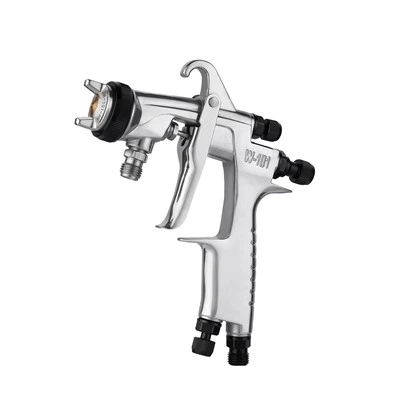
Versatility is another perk you don’t want to sleep on. Air tools come in every shape and size you can think of, from tiny die grinders for working on small engine parts to big impact wrenches for heavy construction, from paint sprayers to sanders to staplers. And because they run on the same compressed air system, you can add new tools to your setup without buying a whole new power source. Need a new air hammer for metalwork? Just plug it into your existing compressor. Need an air hoist for lifting heavy parts in a garage? Same compressor. That flexibility means you can grow your tool collection as your business grows, without a massive upfront investment in new power systems. I’ve had customers start with just an air compressor and a few basic tools, then add everything from air ratchets to sandblasters as their business expanded—all off the same setup.
Now, I’m not here to say air tools are perfect—they do have a few downsides, like needing an air compressor and hoses, which can be a hassle if you’re working in remote places. But for 99% of worksites, that’s a small trade-off for all the benefits we’ve talked about. The key is sizing your compressor right for the tools you’re using, so you don’t end up with a setup that can’t keep up.

At the end of the day, when you’re using tools day in and day out, reliability, power, and low cost are what matter most. Electric and cordless have their place, but air tools are still the go-to for anyone who needs tools that can handle hard work, last for years, and keep their team safe and productive.
Pressure Tank If you’re tired of replacing tools every few months, dealing with dying batteries, or hurting at the end of a long shift, let’s chat. We can help you figure out the right air tools and compressor setup for your specific needs, no pressure, just straight talk from someone who’s been in the tool game long enough to know what works. Hit us up to connect and find the perfect solution for your business.
References
- Occupational Safety and Health Administration (OSHA). (2021). Power Tool Safety Guidelines for Construction and General Industry. U.S. Department of Labor.
- Tooling U-SME. (2022). Comparative Analysis of Power-to-Weight Ratios for Pneumatic, Electric, and Cordless Power Tools. Society of Manufacturing Engineers.
- American Society of Mechanical Engineers (ASME). (2020). Durability and Lifespan Testing of Pneumatic Power Tools. ASME International.
- Energy Star. (2021). Efficient Compressed Air System Guidelines for Small Businesses. U.S. Environmental Protection Agency.
- National Institute for Occupational Safety and Health (NIOSH). (2022). Repetitive Strain Injury Prevention in Trades: Tool Weight and Vibration Impacts. Centers for Disease Control and Prevention.
Taizhou Meco Tools Co., Ltd.
Taizhou Meco Tools Co., Ltd. is one of the leading air tools manufacturers and suppliers in China. We warmly welcome you to buy or wholesale bulk air tools for sale here from our factory. All customized products are with high quality and competitive price. For quotation, contact us now.
Address: TongJi Road,Jiangbei District,Ningbo City,Zhejiang Province,China.
E-mail: sales@mecotools.com
WebSite: https://www.mecotools.com/
