Hey everyone, and welcome to the blog – today we’re diving into a question we get all the time from clients, customers, and even random people sliding into our DMs: Can packaging board be recycled? As a packaging board supplier, I work with this stuff every single day, so I thought I’d break it down like we’re chatting over a coffee, no stuffy jargon or confusing tech terms. Packaging Board
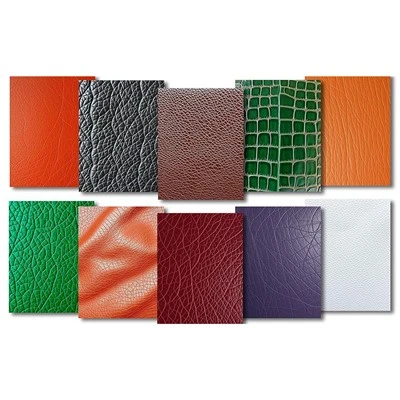
First, let’s get one thing straight: not all packaging materials are created equal. We’ve all been there – yanking something out of a box, checking the label, and thinking “wait, is this actually recyclable?” The same goes for packaging board, which is basically that thick, rigid stuff used for cereal boxes, shoe boxes, product mailers, and all those little cardboard inserts that keep your new gadget from getting scratched.
So, short answer? Most of the time, yeah – but it’s not as simple as tossing it in your curbside bin and calling it a day. Let’s get into the nitty-gritty, because that’s where a lot of people mess up.
First, what even is packaging board, anyway? Unlike regular corrugated cardboard (that wavy stuff you see on shipping boxes), packaging board is a solid, thick sheet. It’s usually made from 100% recycled fiber or a mix of recycled and virgin wood pulp – virgin pulp just gives it that extra sturdiness for things like product packaging that needs to hold up on shelves. The key here is fiber: all paper-based products, including packaging board, can be recycled because those fibers can be broken down, cleaned, and turned into new stuff. But there’s a catch.
Wait, let’s talk about contamination, because that’s the big recyclability killer. I’ve seen this so many times: someone tosses a greasy pizza box (which is technically packaging board, right?) into their recycling bin, and that whole batch gets rejected. Why? Because food residue – grease, sauce, even coffee stains – coats the fibers, making it impossible to separate clean pulp later. The recycling facility has to sort tons of material at a time, and if even a small percentage is contaminated, they can’t process the rest efficiently. So if your packaging board has any food gunk on it, it’s best to either wipe it clean (if you can) or toss it in the trash. No exceptions here.
Then there’s coating. Some packaging board has a thin plastic coating (you’ve probably seen this on frozen food boxes or takeout containers) to make it water-resistant. That’s a problem because those plastic and paper fibers don’t mix well in recycling. Most curbside programs can’t process coated packaging board – you have to take it to a specialized recycling center if you want to recycle it. But here’s the good news: more and more of our packaging board these days is made with water-based coatings instead of plastic ones, which are way easier to recycle. That’s a big reason we switched a few years back – our clients started asking for more sustainable options, so we made the change.
Now, let’s clear up a common myth: packaging board is different from other paper products, but the recycling process is pretty similar. When you send it to a recycling facility, they shred it into small pieces, mix it with water to make a slurry, and use screens to separate out any contaminants (plastic, metal, food gunk). Then they break the paper fibers apart, clean them up, and sometimes mix in a little virgin fiber to strengthen them for new products – like new packaging board, toilet paper, or even paper cups. The number of times fibers can be recycled is around 5 to 7, by the way – after that, they’re too short to be reused, so they turn into other things like insulation or even compost.
Wait, but what about curbside recycling vs. drop-off centers? A lot of people think, “if my curbside doesn’t take it, it’s not recyclable” – but that’s not always true. Curbside programs vary a ton depending on where you live. Some areas have really strict rules and only take plain, uncoated cardboard that’s completely clean. Other places are more lenient. If you’re not sure, just check your local recycling’s website (or call them – they’re usually happy to answer!) but don’t assume. If your curbside won’t take it, look for a local drop-off center that accepts paper products. Most grocery stores, big box retailers, or recycling centers have bins for cardboard and packaging board.
As a supplier, I also want to talk about what we do to make this easier for our clients. We know that businesses that use packaging board care about sustainability, so we offer products that are either 100% recyclable or have clear labeling to tell you exactly how to recycle them. We also make sure to avoid unnecessary coatings – the less plastic we use, the easier it is for you and your customers to recycle. A lot of people don’t realize that we can adjust the board’s thickness and strength without adding plastic, which is a win-win for everyone.
But let’s be real – even with all the right stuff, recycling packaging board isn’t perfect. Some fibers do get lost in the process, and the demand for recycled packaging board isn’t always as high as it could be. That’s why we’re big on reducing waste too – like offering custom sizes so you don’t use more packaging than you need, which cuts down on the amount of material that ends up in the recycling bin (or worse, the landfill).
Wait, let’s share a quick story to make this relatable. A few months back, we worked with a small online clothing brand that was using thin plastic mailers. They switched to our rigid packaging board mailers because we offered a product that was just as sturdy, way better for the environment, and their customers loved that it was recyclable. At first, they were worried about how customers would recycle it, so we added a little sticker on each box that said “This packaging board is recyclable – check your local curbside or drop-off for how to recycle it.” The brand told us later that customers commented on it, and a lot of them mentioned they’d never thought about how to recycle their old clothing packaging before. That’s the kind of small change that adds up.
Now, what about things that aren’t recyclable? I don’t want to mislead anyone. If your packaging board is wet, moldy, or has a lot of heavy grease on it, it’s basically a lost cause for recycling. Those fibers are too damaged to be reused. Also, if it has things like tape, labels, or staples on it – you can usually peel those off, but if they’re stuck really good, it might not be worth it. Some recycling facilities can handle small amounts of tape, but too much will mess with the process.
Let’s also talk about the impact of recycling packaging board. Every ton of paper recycled saves around 7,000 gallons of water, 460 gallons of oil, and 17 trees. That’s a huge deal! So when you toss your old cereal box (which is packaging board!) in the recycling bin, you’re not just throwing it away – you’re saving a tree, cutting down on water use, and reducing the amount of waste going to landfills. That’s pretty cool, right?
I get why people are confused about this stuff. There’s so much conflicting info online, and recycling rules change all the time depending on where you live. The best rule of thumb, from where I sit as a packaging board supplier, is: if it’s clean, plain, and not coated in plastic, it’s almost certainly recyclable. If it’s greasy or has a plastic coating, just double-check with your local program, and if they don’t take it, find a drop-off spot. And if you’re a business, don’t be afraid to ask your supplier for products that are more sustainable – most of us are happy to work with you to find the right fit.
Wait, let’s wrap this up with a few quick takeaways so you don’t have to scroll back:
- Most packaging board is recyclable, but it depends on cleanliness and coatings.
- Grease, food residue, and plastic coatings are the main things that make it not recyclable.
- Curbside rules vary – if your local program doesn’t take it, check a drop-off center.
- Recycling packaging board has a big environmental impact, so it’s worth getting it right.
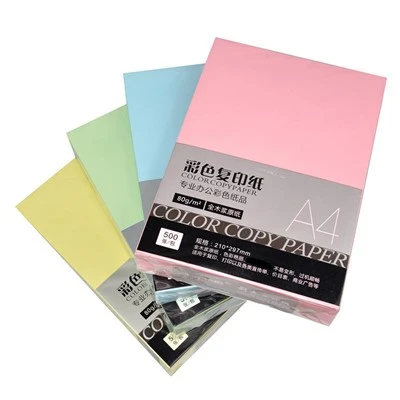
If you’re a business looking to switch to more sustainable packaging board, or you have questions about what works for your products, don’t hesitate to reach out. We’re here to help you figure out the best options for your needs – no stuffy sales pitches, just straight talk about packaging and sustainability.
Duplex Board Now, references:
- Environmental Protection Agency (EPA). (2022). Recyclables 101: Paper and Paperboard.
- American Forest & Paper Association (AF&PA). (2023). Fiber Recycling in the Paper Packaging Industry.
- Sustainable Packaging Coalition. (2021). Coated Paperboard: Recyclability Guidelines.
- Local Recycling Association Average Data. (2022). Environmental Impacts of Paper Recycling.
Dongguan Banyan Material Co., Ltd.
We are one of the most experienced packaging board manufacturers and suppliers in China, also support customized service. Please feel free to wholesale bulk eco-friendly packaging board from our factory. Quality products and reasonable price are available.
Address: NO.167, Meijing West Road, Songmushan, Dalang Town, Dongguan City, Guangdong Province, China
E-mail: Sales_chris@yspaper.com
WebSite: https://www.paperyoung.com/
