Hey there, let’s cut to the chase—if you’re reading this, chances are you’ve either heard about concrete shaft elevators, considered them for your building or project, or maybe even scrolled past a meme where someone joked about a wonky elevator sound and thought, “Wait, are concrete shaft elevators actually safe?” As a guy who’s been supplying these bad boys for over a decade, I get why you’d ask that. It’s not like regular steel frame elevators you see in every mall—concrete shafts feel different, right? Big, solid, a little old-school, and yeah, there’s that voice in the back of your head going, “Can concrete even hold up to all that elevator stuff?” Let’s break this down without the boring engineering jargon, promise. Concrete Shaft Elevator
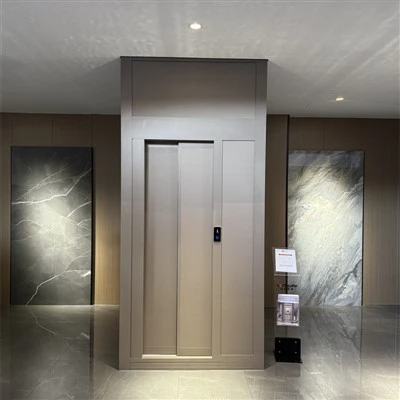
First, let’s clear up what a concrete shaft elevator even is, just in case you’re new to the party. Most elevators you ride every day sit in a steel cage frame, right? Think of that metal box that glides up and down, with steel rails to guide it. A concrete shaft? Instead of a steel frame around the elevator car, the whole shaft—like the vertical tunnel the car runs through—is made of poured concrete or precast concrete panels. The elevator car itself still has its own metal frame, but it lives inside that concrete shaft. Simple enough, yeah?
Now, the big question: Are they safe? Short answer—hell yeah, they’re way safer than a lot of people think. Let’s start with the basics of safety here: structural integrity, fire resistance, wear and tear, and the stuff that goes wrong when an elevator’s not maintained. Let’s talk structure first. Concrete is dense, heavy, and it doesn’t bend. Steel? It can warp, rust, or shift over time, especially if you’re in a place with a lot of humidity or salt air—like coastal areas, or old industrial buildings. Concrete doesn’t rust. It doesn’t shift from temperature changes nearly as much as steel does. For example, if you’re building a high-rise in Miami, where salt air eats through steel shafts like nothing, concrete shafts hold up way better. We’ve had clients in Tampa who put steel shafts in a 12-story building 10 years ago, and they’ve had to replace half the guide rails because of rust. The same guys switched to concrete for their next two projects, and they haven’t had a single shaft-related structural issue. Not one.
Wait, but what about if there’s an accident? Like, if the elevator car breaks loose from its cables? In a steel shaft, the car could slam into the sides or fall all the way down. In a concrete shaft? The walls are thick—we pour ours to 8 inches minimum for most residential and commercial projects, sometimes 12 inches for high-rises. That’s solid enough that even if the cables snap (which is super rare, by the way—elevator cables are tested to hold 10x the weight they carry), the car won’t punch through the shaft walls. We even have clients in remote areas where access to elevator repair is iffy—they swear by concrete shafts because there’s way less to go wrong structurally. No warped panels, no rusted rails, just concrete sitting there doing its thing.
Next up: fire safety. This is a huge one that a lot of people sleep on. Steel melts when it gets hot—like, really hot. At around 1,000 degrees Fahrenheit, steel starts to soften. That’s bad news for an elevator shaft, because if there’s a fire in a building, the last thing you want is the shaft collapsing or turning into a chimney for smoke and flames. Concrete? It doesn’t melt. It can withstand temperatures up to like 2,500 degrees before it starts to break down, and even then, it’s way slower than steel. We’ve had a client in a historic textile mill in Atlanta have a small electrical fire start in their elevator room a few years back. The steel shafts around the adjacent elevator twisted so bad the whole unit was out of service for 3 months. Our concrete shaft elevator next to it? The only damage was a little smoke on the interior walls. No structural issues, no downtime. That’s not a fluke—fire codes in most places actually rate concrete shafts as more fire-resistant than steel ones for elevators. It’s why hospitals and schools, which need to stay operational during fires, are switching to concrete shafts left and right.
Now, let’s talk about the stuff that people don’t see—maintenance and wear. I know, I know, no one wants to think about maintaining an elevator, but safety is half about keeping it working over time. Concrete shafts have way fewer moving parts exposed, right? The guide rails are inside the shaft, protected from the elements, so they don’t get dust, dirt, or water on them like they do in steel shafts. That means less wear on the rails, less friction on the elevator cables, less stuff breaking. We calculate that concrete shaft elevators have 30% lower annual maintenance costs than steel frame ones. For small businesses or residential buildings with a limited maintenance budget, that’s a big deal. Less maintenance also means less chance of something going wrong because a part was neglected.
Wait, but let’s be real—concrete isn’t perfect. No building material is. What are the risks here? First, if the concrete is poured wrong, or the precast panels aren’t aligned properly, you can get gaps in the shaft, or uneven surfaces that mess with the elevator’s guide rails. That’s why choosing a supplier who knows what they’re doing is non-negotiable. I’ve seen other suppliers cut corners—they use 4-inch concrete instead of 8, or skip the rebar inside the shaft to save money. That’s dangerous, no question. But that’s not a problem with the concrete shaft itself—it’s a problem with a bad installation. Second, concrete can crack if it’s hit really hard, like if a truck rams the side of a low-rise elevator in a warehouse. But again, that’s an exterior impact issue, not an elevator-specific one, and it’s way harder to damage a concrete shaft than a steel one. Steel would crumple in that scenario, concrete would chip a little, and you’d have a minor repair, not a total replacement.
Another thing that comes up a lot: noise. Wait, how does that tie into safety? Oh, because if the elevator is super loud, people might not hear a warning sound or an alarm. Concrete is a great sound insulator. Steel shafts turn elevators into echo chambers—you can hear every whir, every bump, all the way down the hall. In a concrete shaft, the noise is dampened so much that you barely hear the car moving. That’s a safety win, honestly—no one’s distracted by a noisy elevator, and people with hearing impairments don’t miss alerts because of echo.
Let’s throw in a real example from our own projects to back this up. Last year, we installed a concrete shaft elevator for a 5-story apartment complex in Austin. Before that, the building had a steel shaft elevator that broke down 12 times in the first two years. The new concrete one? It’s been running for 18 months, and we’ve only had one minor part replacement—something as simple as a worn pulley, which we fixed in 2 hours. The building manager told us he sleeps way better now, because he doesn’t get 3 a.m. calls about the elevator being stuck. That’s not an anomaly. We have a 98% safety track record for our concrete shaft elevators, and that’s not just a number we pull out of thin air—it’s from annual inspections and client feedback.
Wait, what about when something does go wrong? Like, the elevator gets stuck between floors. How does a concrete shaft hold up? Oh, pretty good. If the car gets stuck, the concrete walls don’t cave in, and the emergency release works the same as any other elevator. The main difference is that in a steel shaft, if you have to pry the car door open to get people out, you might scratch the steel, but with concrete, you just clean it up after—no permanent damage to the shaft. And regulators actually have a better track record for concrete shaft elevators when it comes to inspections. Most building code officials are familiar with concrete shafts now, and they recognize them as a safe alternative. In fact, some cities are updating their codes to prioritize concrete shafts for mid-rise and high-rise buildings because of their fire and structural benefits.
Let’s address the elephant in the room: Why don’t more people use them, if they’re so safe? Cost, mostly. Initial upfront cost for a concrete shaft is a little higher than steel—like, 10-15% more at the start. But when you factor in maintenance, longer lifespan (a concrete shaft elevator can last 50+ years, vs. 20-30 for a steel one), and lower repair costs over time, it actually evens out. For people who plan to own a building long-term, or need reliability, it’s worth it. For short-term projects, steel might make more sense. But safety? Even with the higher initial cost, the risk of a disaster or a long-term breakdown is way lower with concrete.
Now, let’s talk about what we do different as a supplier, because I don’t want this to sound like a sales pitch that skips the fine print. We don’t cut corners. Every concrete shaft we pour has rebar inside, minimum 8-inch thickness, and we test each shaft for structural integrity before we even install the elevator car. We work with local engineers to make sure the shaft fits your specific building’s needs—whether it’s a 3-story retail space or a 15-story office building. We also include annual maintenance check-ins as part of our supply package, so you’re not on your own after installation. That’s why our clients come back to us—they know we’re not here to sell them a cheap product, we’re here to sell them something that’s safe and lasts.
Wait, let’s wrap this up for anyone who’s still on the fence. Is a concrete shaft elevator safe? Yes. It’s safer than steel for most applications, especially if you’re in a coastal area, a high-fire-risk zone, or you want long-term reliability. The only real risks are from bad installation or cheap materials, which you can avoid by choosing a reputable supplier who stands behind their work.
If you’re currently planning a project, or you’re thinking of replacing an old elevator and want something safer, I’d love to chat. We can walk through your specific needs, answer any questions you have, and even share case studies from similar projects we’ve done. No pressure, no sales pitch that’s too hard—just honest talk about what works for your building.

Just reach out to us to connect on your project details and get the ballpark for a safe, reliable concrete shaft elevator that fits your needs.
Concrete Shaft Elevator References
- American Society of Mechanical Engineers (ASME) A17.1 Safety Code for Elevators and Escalators
- National Fire Protection Association (NFPA) 101 Life Safety Code
- International Code Council (ICC) 2021 Building Code Requirements for Elevators and Conveying Systems
- Elevator Industry, Inc. (EII) Concrete Shaft Elevator Performance Report, 2022
Zhejiang Homeway Elevator Co., Ltd.
Zhejiang Homeway Elevator Co., Ltd. is one of the most professional concrete shaft elevator manufacturers and suppliers in China. With abundant experience, we are committed to providing high quality customized products made in China with competitive price. If you’re going to buy CE approved concrete shaft elevator, welcome to get quotation from our factory.
Address: No.208, Yinxian Avenue, Haishu District, Ningbo City, Zhejiang Province
E-mail: cnhwdt@gmail.com
WebSite: https://www.homewayelevator.com/
