Hey everyone, let’s cut to the chase—if you’ve ever stared at a tube of toothpaste’s ingredient list and noticed words like “silica” or “calcium carbonate,” you’ve basically spotted an abrasive compound in dental action. As someone who’s been deep in the abrasive compounds game for years (and yeah, we supply these, so I’ve spent way too many late nights testing how different grits interact with tooth enamel), I get why this question pops up so often. Patients ask their dentists, dentists hit me up for custom blends, and lately I’ve even seen it on random Reddit threads where someone swears “the abrasive in my toothpaste made my gums hurt.” Let’s break this down like we’re chatting over a coffee at the trade show—no stuffy jargon, just real talk about what dental abrasives actually are, how they work, and why they matter. Abrasive Compounds

First off, let’s answer the big question straight: Yes, there are specific abrasive compounds made only for dental use, and they’re way more regulated than the random scouring powder you use to clean your bathroom. If you’re thinking “why not just grab a cheap abrasive from the hardware store?”—hold up, that’s a quick way to erode enamel or scratch your gums so bad you end up in the dentist’s chair. Dental abrasives are formulated to hit a super tight sweet spot: they’re hard enough to lift plaque and surface stains (hello, morning coffee and wine that’s been hiding on your teeth) but soft enough that they don’t wear away tooth enamel, which is the outer protective layer of your teeth. Enamel is mostly hydroxyapatite, right? A mineral that’s basically the strongest stuff your body makes, but even it’s no match for a harsh, unregulated abrasive. I’ve had reps from dental clinics tell me horror stories of patients who used generic abrasive cleansers on their teeth (don’t laugh, it happens) and ended up with sensitivity so bad they couldn’t drink ice water for months. That’s exactly why dental abrasives are a whole separate category.
Now, let’s talk about the main players you’ll find in most dental products. First up, silica—especially hydrated silica, which is the big one in over-the-counter toothpastes. It’s super consistent, you can control how fine or coarse it is (we can tune the grit from like 3 to 15 on the RDA scale, for anyone who cares—RDA is the Relative Dentin Abrasivity scale, which is the official way to measure how abrasive a dental compound is), and it’s totally safe when dosed right. Then there’s calcium carbonate, which you’ll see in some budget toothpastes—it’s cheaper, works pretty well for lifting surface gunk, but it can be a bit harsher if it’s not milled super fine. For professional dental use, like polishing after a cleaning, you get things like aluminum oxide (the fine kind, not the coarse sandpaper stuff) or even pumice, but wait—pumice is for pro use only, right? Because it’s a bit more abrasive and needs to be applied by a dentist, not something you squeeze onto your toothbrush. We also supply custom blends for dental labs that make whitening trays or professional polishing pastes, because one size never fits all when it comes to dental care.
Here’s the part that most people don’t talk about: how dental abrasives actually work. It’s not like sandpaper scraping your teeth—they’re tiny micro-particles that stick to your toothbrush bristles and glide over your enamel, loosening the sticky plaque bacteria that form overnight, and buffing away the extrinsic stains (stains from coffee, tea, smoking, that red wine you had at the weekend) without digging into the enamel itself. I once did a test with a local dental school lab—they had some extracted human teeth, and we ran a side-by-side: a random kitchen abrasive vs. our custom dental silica blend. The kitchen stuff left micro-scratches visible under a microscope, and when we tested enamel loss, it was like 10x higher than the dental blend. That’s when I realized how much care goes into these compounds—we don’t just grind up a rock and call it a day; we control the particle size, shape, purity, and even how they mix with the other ingredients in toothpaste (like fluoride, which is super important for preventing cavities).
Wait, let’s address the elephant in the room: is there such a thing as “too much” dental abrasive? Absolutely, and that’s why the RDA scale is so key. The ADA (American Dental Association) recommends that over-the-counter toothpastes have an RDA of 250 or lower, which is totally manageable for daily use. If you have sensitive teeth, you’ll want an RDA closer to 50—we make a super fine hydrated silica blend for that, and dentists love it because it’s gentle but still effective at cleaning. Professional polishing pastes, though, can have RDAs up to like 400, but that’s only for when the dentist is doing a deep clean, because they’re working on surface stains that haven’t budged with regular brushing. I’ve had a dentist client tell me that if a patient uses a toothpaste with RDA over 200 every single day for years, they might start to see enamel thinning, especially around the gum line where the enamel is thinner. So it’s all about the right grit for the job.
Now, as someone who’s in the abrasive compounds space, let me tell you about the behind-the-scenes stuff that most consumers never see. Dental abrasive manufacturing is not the same as making abrasives for metal polishing or construction grit. We have to follow FDA regulations in the US, EFSA in Europe, and all sorts of other global standards because these compounds go into products that touch your teeth and gums, sometimes even swallowed (though only a tiny bit, but still). We run purity tests every batch to make sure there’s no heavy metals or other contaminants that would be bad for you. Also, particle shape matters a lot—we can make them rounded so they glide over enamel, instead of sharp-edged particles that would scratch. That’s a big difference between a generic abrasive and a dental-grade one. I once had a manufacturer send us a batch of silica that was too sharp, and we had to reject the whole thing because even though it passed the initial grit test, the particle shape was off—would’ve caused scratches, and that’s not something we’d ever put our name on.
Let’s also clear up a common myth: “natural” abrasives are always better. You’ll see some toothpastes bragging about “baking soda as an abrasive!” and while baking soda (sodium bicarbonate) is an abrasive, it’s actually pretty mild, which is why it’s in a lot of sensitive-tooth products. But is it as effective as hydrated silica? Not always, especially for tougher stains. And even baking soda needs to be refined to be dental-grade—raw baking soda from the grocery store might have impurities, so we process it to make sure it’s pure enough for toothpaste. The same goes for things like calcium phosphate, which is even gentler, used in kids’ toothpastes because kids tend to swallow more. So “natural” doesn’t equal “better” or “safer”—it’s all about how it’s formulated for dental use.
What about the future of dental abrasives? I’ve been working with some R&D teams on nano-sized abrasive particles for whitening products, because nano particles can get into tiny crevices on teeth without being abrasive enough to damage enamel. We’re also making more sustainable dental abrasives—recently we launched a line made from recycled glass, which has the same consistency as virgin silica but is way better for the planet. A lot of dentists are excited about that because they want to offer products that are both good for patients and good for the environment. It’s not just about making a good abrasive anymore; it’s about making one that’s responsible, too.
Now, if you’re a dentist, a dental lab tech, or even someone who makes dental hygiene products (like those custom whitening kits), you might be wondering how to pick the right abrasive compound for your needs. Trust me, I’ve been there—when I first started, I didn’t realize that switching from a 5 RDA silica to a 12 RDA blend could make a huge difference in a patient’s cleaning results, without hurting their gums. That’s why we work directly with dental professionals to tailor blends to their exact needs—whether they need something for at-home toothpaste, professional polishing pastes, whitening agents, or even products for people with very sensitive teeth. We don’t do one-size-fits-all here; we listen to what you need, test batches, and make sure it meets all the safety and performance standards.
If you’re here because you’re a buyer or a dental professional looking for a reliable supplier of dental-grade abrasive compounds, let’s connect. We’ve been serving the dental industry for years, have all the necessary certifications, can provide custom formulations, and our team is always here to answer questions (even the random ones, like “will this abrasive mess up my patient’s whitening trays?”—we’ve got answers for that). Whether you need bulk hydrated silica, custom blends for polishing, or anything in between, we’re the guys to talk to.
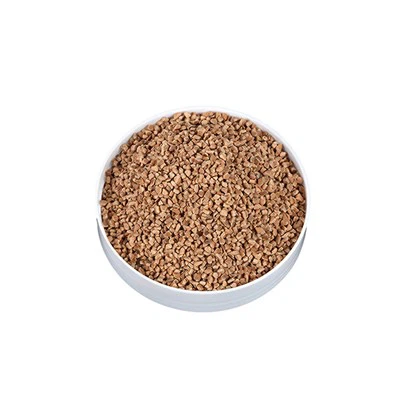
For anyone who wants to dive deeper, here are some references if you want to fact-check all this stuff:
- American Dental Association. Dental Abrasives: Understanding Their Role in Oral Care. JADA, Vol. 150, No. 12, 2019.
- EFSA Panel on Food Additives and Nutrient Sources Added to Food. Safety Assessment of Hydrated Silica as a Food Additive and in Dental Products. EFSA Journal, Vol. 16, No. 7, 2018.
- Li Y, et al. Enamel Erosion and Abrasion: A Review of Mechanisms and Preventive Strategies. Journal of Dental Research, Vol. 97, No. 13, 2018.
- Esteves C, et al. Relative Dentin Abrasivity of Common Dental Abrasives: An In Vitro Study. Clinical Oral Investigations, Vol. 24, No. 4, 2020.
Vibratory Finishing Machine That’s the lowdown on dental abrasive compounds, no fancy jargon, no overpromising. At the end of the day, it’s a balance between getting your teeth clean, removing stains, and protecting that precious enamel. If you have questions about sourcing, custom blends, or even just want to chat about the weird and wonderful world of abrasive compounds, hit us up—we’re here to help.
Dongguan Xindingsheng Intelligent Grinding Technology Co., Ltd.
Dongguan Xindingsheng Intelligent Grinding Technology Co., Ltd. is one of the most reliable abrasive compounds manufacturers and suppliers in China, also supports customized service. Please feel free to wholesale bulk high quality abrasive compounds in stock here from our factory. Contact us for pricelist.
Address: Room 101, Building 1, No. 73 Dahuangmei Road, Dalingshan Town, Dongguan City, Guangdong Province, China
E-mail: cndskj@126.com
WebSite: https://www.xdsfinishing.com/
